1. A Tel Aviv flight diverts to Saudi Arabia after a hijack signal
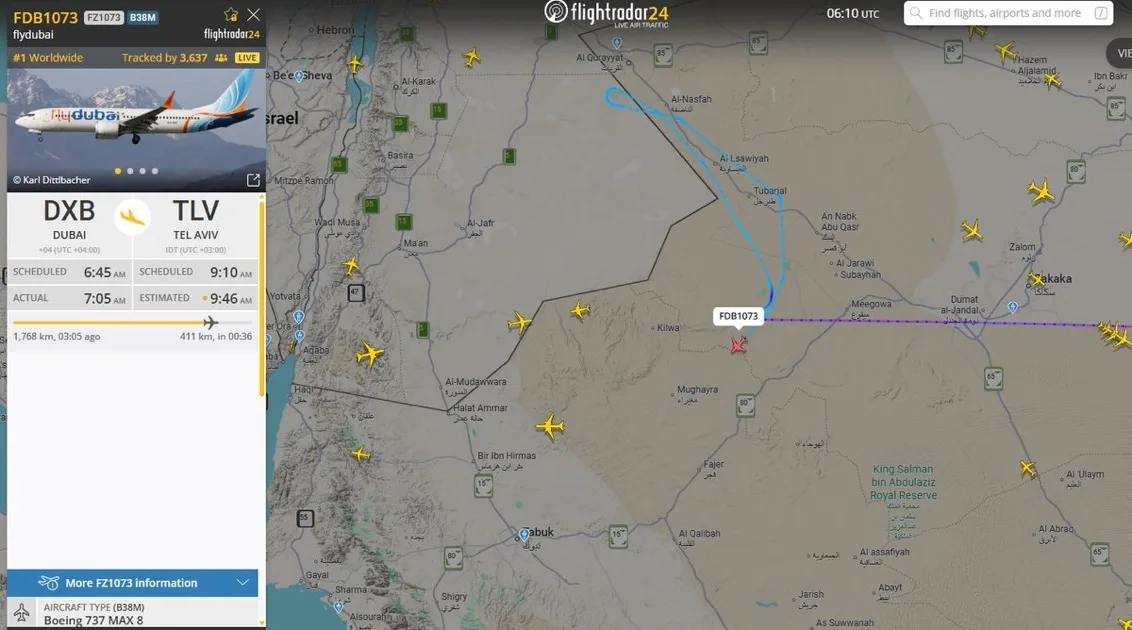
A flydubai flight from Dubai to Tel Aviv, FZ1073, landed at Tabuk in northwestern Saudi Arabia on Wednesday morning after transmitting a general emergency code, then code 7500, which signals unlawful interference and is commonly associated with a hijacking. The Boeing 737 MAX was carrying about 175 passengers, most of them Israelis; Ynet puts the figure at 174, including 27 children. The plane briefly disappeared from public flight trackers, and Israel scrambled fighter jets. Israeli officials say it was not a hijacking: according to them and a regional official quoted by AP, a fight broke out in the cockpit between the pilots. Flydubai confirmed only "an incident while en route", said all passengers were "safe and accounted for" and that it is working with the authorities; it is sending another aircraft to fly them on to Israel. Prime Minister Benjamin Netanyahu's office said the situation was under control.
2. Morocco gets its first woman head of government
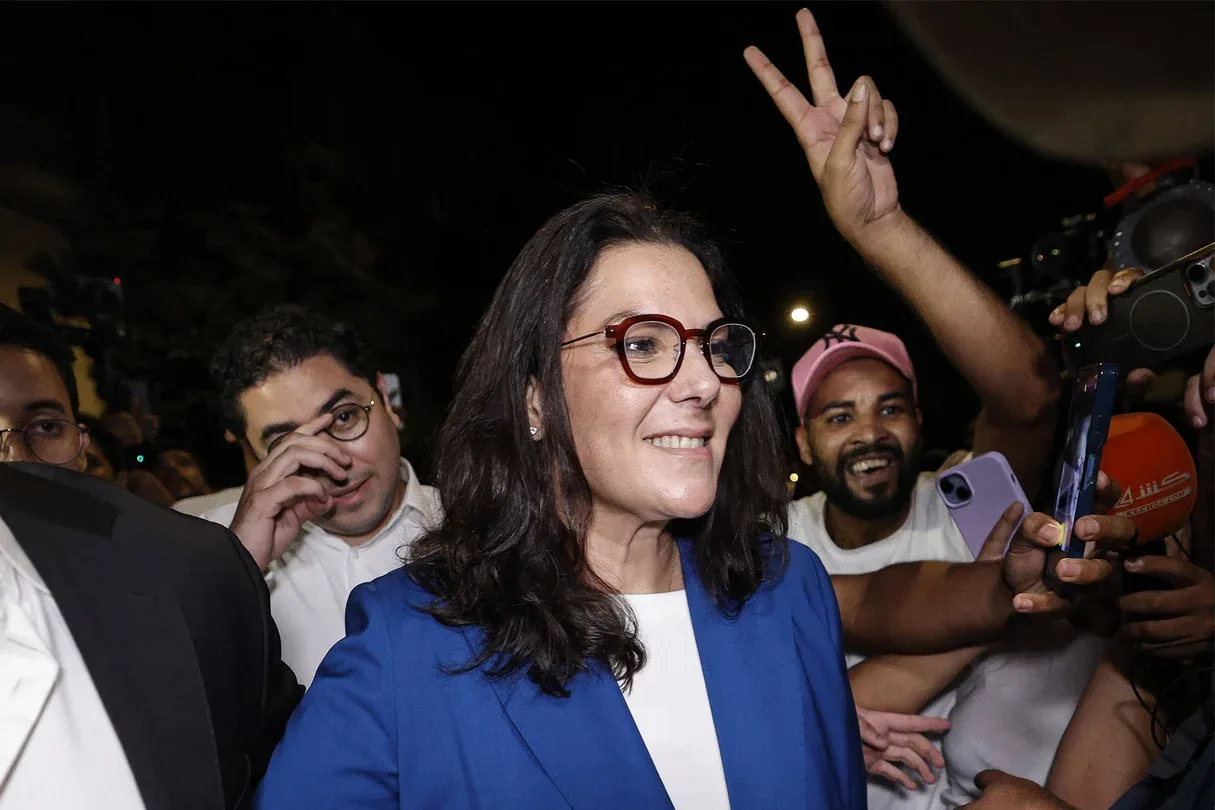
King Mohammed VI appointed Fatima Ezzahra El Mansouri head of government on Tuesday, making her the first woman to hold the post in Morocco. Her Authenticity and Modernity Party (PAM) came first in the 23 September legislative elections with 97 of 395 seats, ahead of the RNI of outgoing prime minister Aziz Akhannouch (66) and Istiqlal (65). The Islamist PJD rose from 13 to 54 seats and will sit in opposition. El Mansouri, who served as housing and urban planning minister from 2021, must now build a governing majority. The PAM was founded in 2008 by an adviser to the king. Under the constitution, the king retains sweeping powers over foreign policy and defence.
https://x.com/bbcafrica/status/2104994056161968300?s=61
3. The last US troops leave Iraq's bases
US forces are due to leave their last bases in Iraq by today, 30 September, under a 2024 agreement between Washington and Baghdad, Reuters reports. Iraqi Prime Minister Ali al-Zaidi had called the date "fixed and final", and Baghdad says there will be no foreign combat forces or military bases in the country from tomorrow. It has declared a three-day public holiday, "Sovereignty Day", while the Kurdish regional government has openly voiced concern. Iran-aligned groups are celebrating: a commander of the Islamic Resistance in Iraq called it a "historic victory". Of the 18 US service members killed in this year's war with Iran, seven died in Iraq.
4. Iran waits for Washington's answer
Foreign Minister Abbas Araghchi met Qatari mediators in New York on Monday and said the talks focused solely on the Strait of Hormuz; Iran is still awaiting an official US response to its seven-day plan. A US official said there would be no deal unless Iran's nuclear programme is addressed. Donald Trump called reports that he would offer sanctions relief and frozen funds "untrue", and a spokesman for the Revolutionary Guards called him a "big liar". According to sources cited by The National, Tehran has proposed transferring its 60%-enriched uranium stockpile to a third country.
5. A 1951 treaty pulled from Xi's tour of Washington
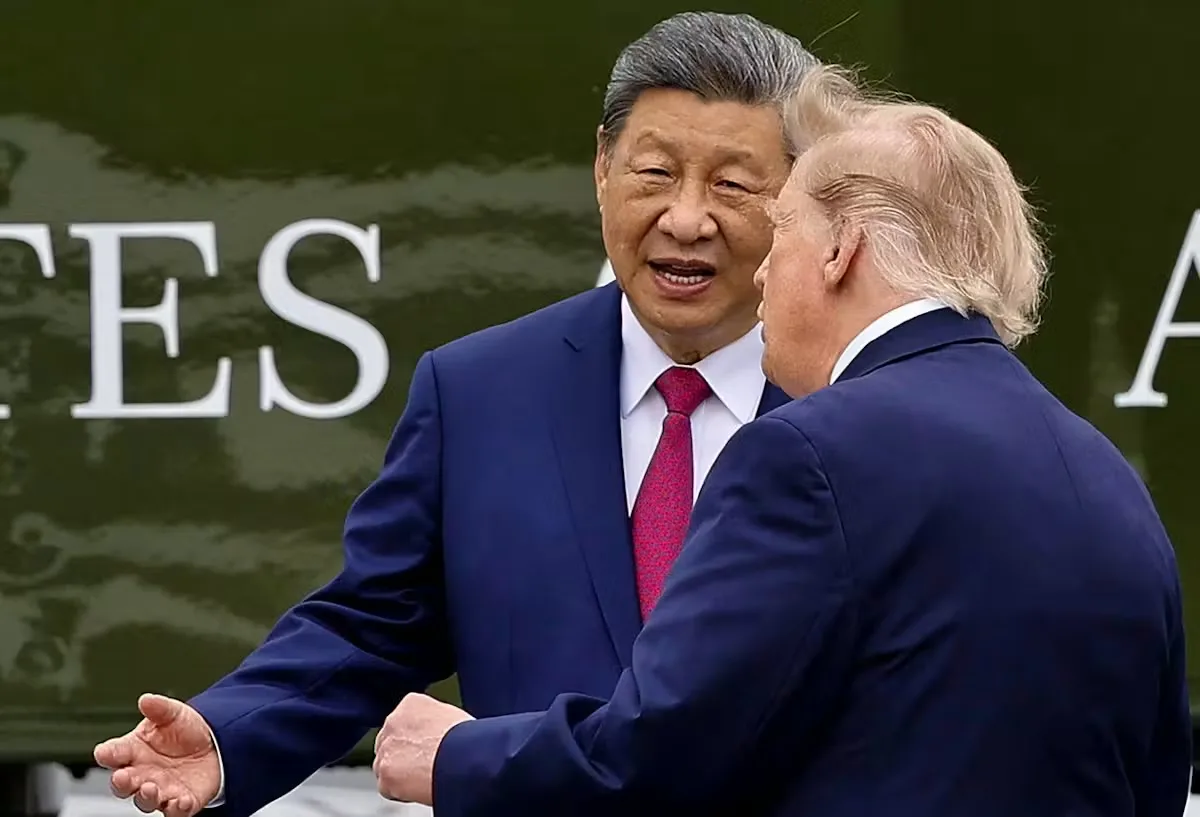
An entire display at the National Archives was removed at the last minute before Donald Trump and Xi Jinping visited on 25 September, NPR reported on Tuesday, because Chinese diplomats objected to one document: the 1951 Treaty of San Francisco. Signed by Japan and the Allies but not by China, the treaty settled Japan's post-war borders without deciding who should hold Taiwan. Beijing does not recognise it, and according to US officials has privately asked other countries to consider it illegal. The Chinese embassy did not respond.
6. Ukraine claims gains north of Lyman
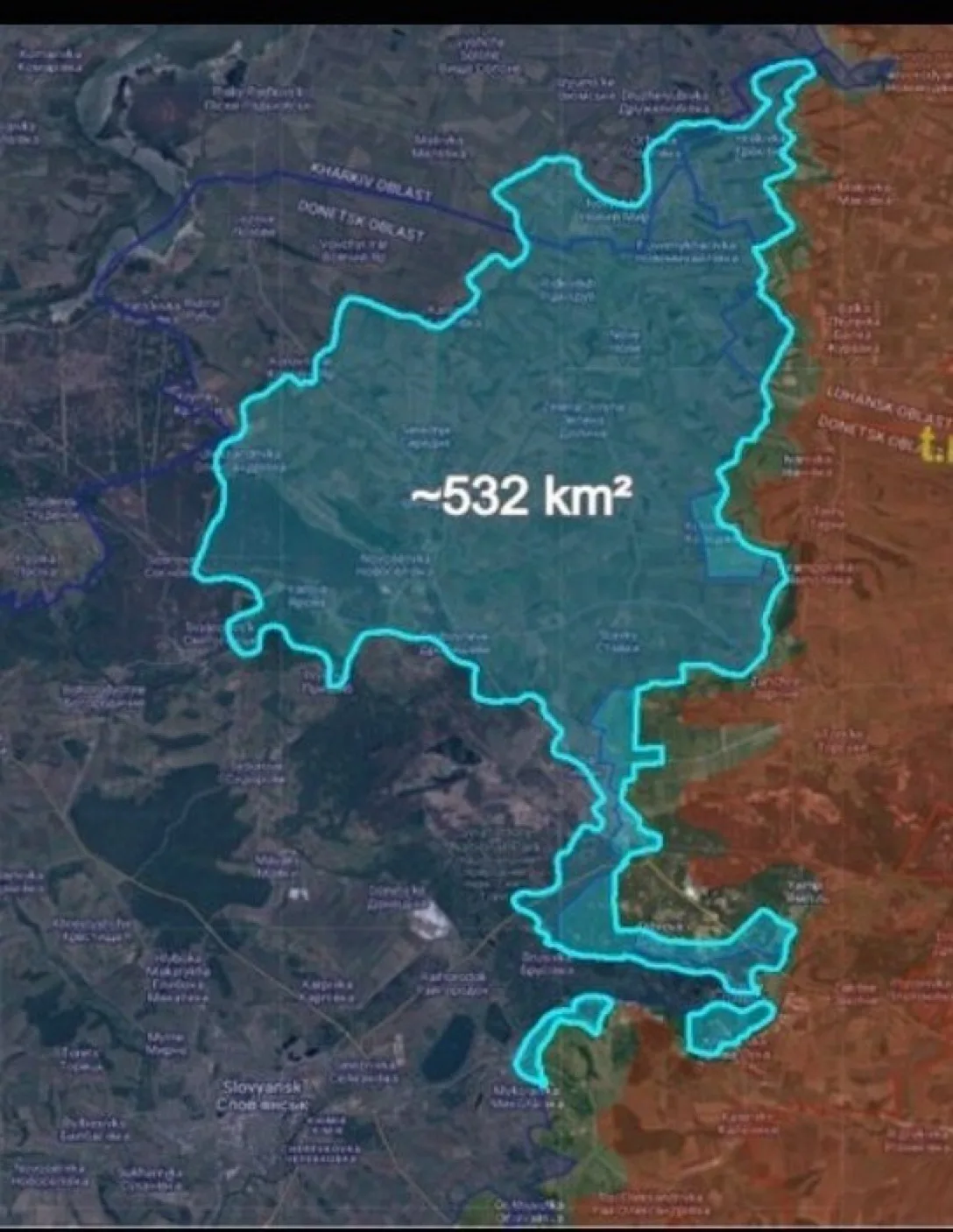
Ukraine's 3rd Army Corps says the third phase of its Operation Vivaldi offensive recaptured 51 square kilometres, including the village of Nove, bringing the total to 176 square kilometres north of Lyman, in Donetsk region. Its commander, Andrii Biletskyi, claims more than 2,000 Russian casualties and over 250 prisoners; these figures cannot be independently verified. The Institute for the Study of War assesses that Ukraine first neutralised Russian drone defences before sending in armour. Russian strikes meanwhile continue: at least 110 civilians were reported injured in 24 hours.