
The essentials
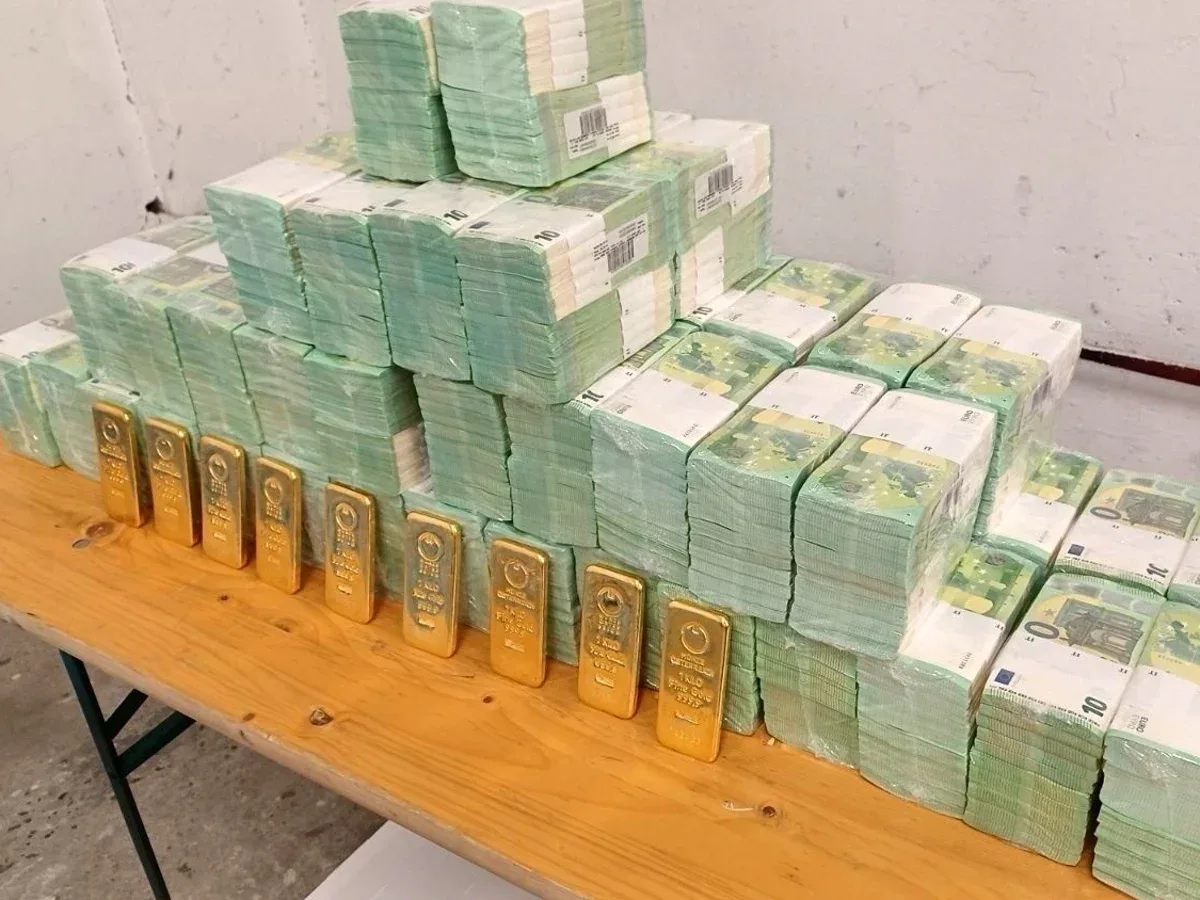
- The find. In searches on 12 and 13 November in Budapest and in Pest, Békés and Nógrád counties, investigators from the National Asset Recovery and Protection Office (NVVH) seized HUF 5,071,632,000, EUR 2,658,350 and USD 1,257,100 in cash: nearly HUF 6.5bn, or about EUR 17.7m by Le Détroit's conversion.
- The hiding places. Part of the money was buried in forests; the rest was hidden in farm buildings, warehouses and a home, or kept in a high-value safe in a hidden spot, the office said. It has not said how much was found where.
- The count. The cash was paid into the State Treasury on Friday, where 12 staff counted it for eight hours with five machines, Finance Minister András Kármán wrote. It is seized, not confiscated, and sits in a deposit account pending the courts.
- The case. Miklós Seszták, national development minister from 2014 to 2018, has been detained since 28 September. Prosecutors suspect him and a former head of the state asset manager of receiving about HUF 12.6bn (some EUR 34m) in bribes between 2015 and 2018. He is presumed innocent.
- The reactions. Prime Minister Péter Magyar said the find meant the "Fidesz-KDNP mafia" was "officially over". Fidesz said it hoped the images had "nothing to do with Miklós Seszták"; KDNP suspended his membership.
1. Cash is what money looks like when it avoids the banks
The telling detail of Friday's announcement is not the size of the haul but its form. On Thursday and Friday, investigators from Hungary's National Asset Recovery and Protection Office (NVVH) searched sites in Budapest and in Pest, Békés and Nógrád counties. They came back with HUF 5,071,632,000, EUR 2,658,350 and USD 1,257,100 in notes: nearly HUF 6.5bn, about EUR 17.7m by our conversion. Part of it had been buried in forests; the rest was hidden in farm buildings, warehouses and a home, or kept in a high-value safe in a hidden spot, the office said. It took 12 Treasury staff eight hours and five counting machines to tally it, according to Finance Minister András Kármán.
Money kept underground has, by definition, stayed outside the banking system, where sums of that size would trigger due-diligence checks and suspicious-transaction reports. About four-fifths of the haul, by value, is in forints; even if every note were a 20,000-forint bill, the largest Hungary issues, that would be more than 250,000 notes. Cash like this is easy to receive and hard to use: large purchases of property or shares usually pass through a bank, which is exactly where money can be traced. Burying it is a choice to wait.
Hover or tap an area, a hiding place, a bar or a figure for details
- BudapestcapitalBudapestOne of the four areas searched on 12 and 13 November (NVVH)The office has not said which hiding place was where
- Pest countyaround BudapestPest countySearched on 12 and 13 November (NVVH)
- Nógrád countynorth, Slovak borderNógrád countySearched on 12 and 13 November (NVVH)
- Békés countysouth-east, Romanian borderBékés countySearched on 12 and 13 November (NVVH)
Shaded: areas searched. The office has not said how much was found in each place. Currencies converted at the forint values reported by Zsaruhírek; ECB rates of 13 November give the same totals.
2. Half of what is alleged, and an open question of ownership
The find has to be read against the case it belongs to. Miklós Seszták, national development minister from 2014 to 2018 and a KDNP member of parliament, was detained on 28 September, the day parliament lifted his immunity. Prosecutors suspect him and a former head of the state asset manager of receiving about HUF 12.6bn (some EUR 34m) between 2015 and 2018, more than HUF 11bn of it through an intermediary and linked to Volánbusz bus services and procurement. In October a Budapest court extended his detention to 30 January, saying data suggested that safes at his home, found empty, had held about HUF 9bn that he may have moved before questioning. He is presumed innocent, and the reports we opened carried no comment from him or his lawyers on the find.
The cash seized this week is worth about half the alleged bribes and about seven-tenths of what the court believed sat in the safes. But the office has not said in public whom the money belongs to, and it is seized, not confiscated: it sits in a Treasury deposit account until a court decides its fate. Even his own camp is keeping its distance. Fidesz wrote that it hoped the images published by the office had "nothing to do with Miklós Seszták"; KDNP suspended his membership, and its parliamentary leader, Bence Rétvári, asked him to give up his seat.
3. A Hungarian case, watched from Brussels
The office is not yet four months old. Parliament created it on 28 July with Act XXXIV of 2026, in force the next day, and gave it an unusual mix of tools: it can investigate, place assets under supervision, bring civil claims and act as public prosecutor in court, with a mandate that looks back at past misuse of public assets. It is the centrepiece of the accountability Péter Magyar promised before his Tisza party won a two-thirds majority on 12 April.
Brussels is watching for its own reasons. Some EUR 16.4bn in EU funds was frozen under Viktor Orbán over corruption and rule-of-law concerns; on 29 May Magyar and Ursula von der Leyen agreed to unlock it, on conditions that included joining the European Public Prosecutor's Office, and 27 "super-milestones" remain to be met. The Commission confirmed Hungary as the EPPO's 25th member in July. But the EPPO can only pursue offences against the EU budget committed after 1 June 2021. The Seszták allegations, covering 2015 to 2018, predate it, so the case will stand or fall on Hungarian institutions alone, and so will the new office's credibility.
Hover or tap a row or a figure for details
Red dashed line: the searches of 12 and 13 November. Red points: the NVVH law and the seizure. Open circle: a scheduled date. Everyone named is presumed innocent.
4. Le Détroit's reading
The images of stacked notes are a political gift. Magyar said that with the find, "the Fidesz-KDNP mafia is officially over". Orbán, who still leads Fidesz, has called the wider campaign a settling of scores after his younger brother, Áron, was detained on 9 November in a separate probe into suspected people smuggling; a court has ordered him held for a month, in a decision that is not final. György Matolcsy, the former central bank governor, has been in custody since October on suspicion of economic fraud, which he denies.
"What is happening in Hungary is not accountability but a settling of scores."Viktor Orbán, on Facebook, after his brother's detention on 9 November (AP)
In our reading, cash in a forest proves that someone wanted money out of sight. It does not, by itself, prove whose money it was or how it was earned, and that gap is where the case will be fought. The defence has already contested part of the evidence used to keep Seszták in custody, a sniffer dog's signal at a safe. If the office can tie the notes to the alleged bribes before a judge, it will have shown that Hungary's new institution can win in court, not only on Facebook. If it cannot, the money will sit in limbo or go back to whoever proves a claim, and Orbán's line will gain ground. For now, the seizure is a beginning, not a recovery.
What to watch
- Ownership: whether the office formally ties the seized notes to Seszták or to other suspects, and who buried them. The reports we opened carry no public attribution.
- The detention: Seszták's custody runs to 30 January 2027. Watch the next review, and whether he gives up his seat, as his own KDNP group leader has asked.
- The evidence fight: the defence has contested a sniffer dog's signal at one of his safes. How a judge treats this week's find will be the first real test of the office's case.
- The other files: György Matolcsy, the former central bank governor, and Áron Orbán, the former prime minister's younger brother, are held in separate probes; the court order on Áron Orbán is not final. Charges, or releases, will shape the "settling of scores" debate.
- Brussels: the EPPO could start work in Hungary early in 2027, by Magyar's estimate, and the 27 "super-milestones" attached to the EUR 16.4bn deal still have to be met.
Everyone named is presumed innocent. "Suspected" and "alleged" refer to the prosecutors' or the office's case, as reported. Hungarian-language sources are translated by Le Détroit. Euro and percentage figures are our calculations: the forint total uses the conversions reported by Zsaruhírek (EUR 2,658,350 as about HUF 969m, USD 1,257,100 as about HUF 415m, Zsaruhírek, 14 November), giving HUF 6.46bn and EUR 17.7m at the implied rate of about 364.5 forints to the euro. The ECB reference rates of 13 November (365.60 forints and 1.1052 dollars to the euro) give the same EUR 17.7m. The note count assumes every forint note were a 20,000-forint bill, the largest denomination.