
What happened
The US House of Representatives on Wednesday passed the Lindsey O. Graham Sanctioning Russia and Iran Act of 2026 by 262 votes to 159, clearing the way for President Donald Trump to sign the most significant American legislative action against Moscow since he returned to the White House. The Senate had already approved the measure 86 to 11 last month. Trump has indicated he will sign it.
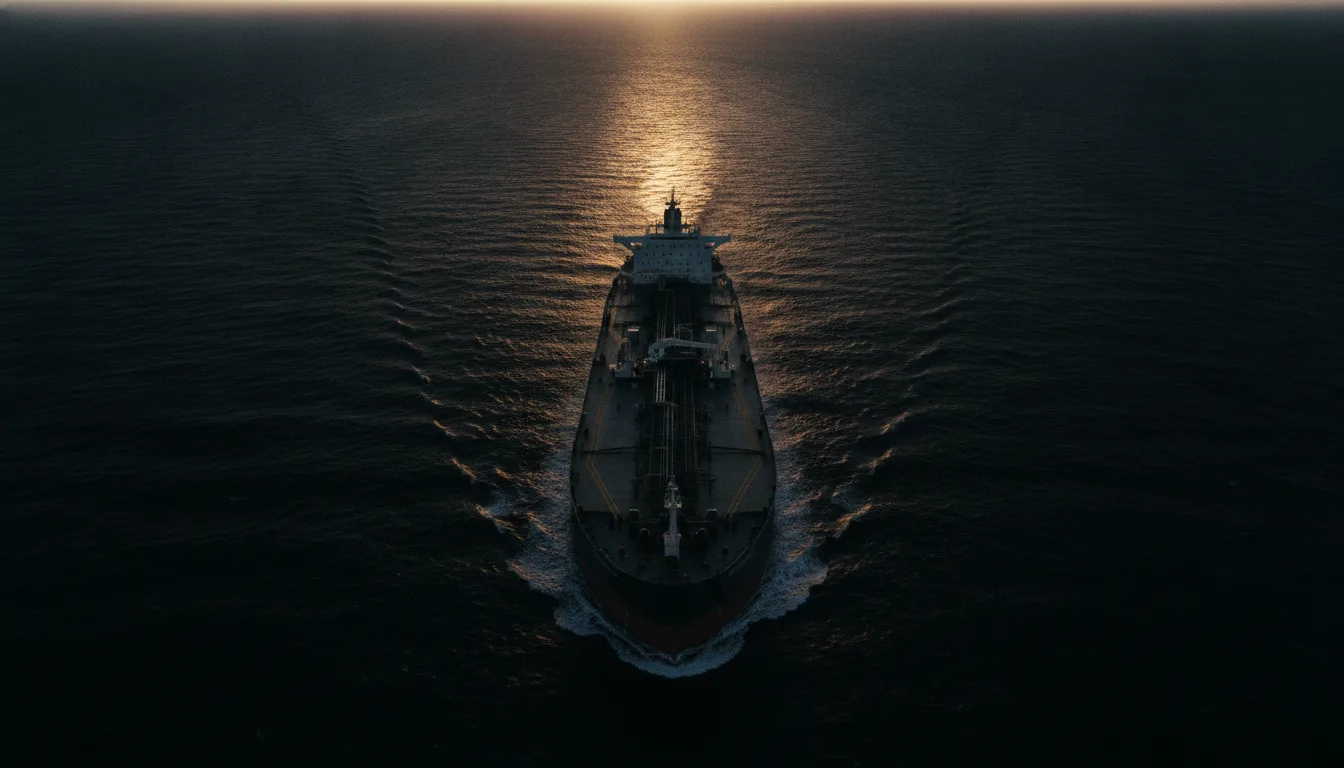
The bill targets Russia's energy and defence industries, President Vladimir Putin and senior officials, and the so-called shadow fleet of tankers Moscow uses to evade Western restrictions. Its most consequential provision for global markets grants Trump authority to impose tariffs of up to 100% on countries that continue buying large volumes of Russian oil and gas, invoking the International Emergency Economic Powers Act (IEEPA). Tariffs of up to 500% can be applied to Russian imports directly into the US, which totalled $3.8bn in goods in 2025.
China and India are the clearest targets. According to the Center for Research on Energy and Clean Air, China bought half of Russia's crude exports as of the end of August, followed by India at 37%, with Turkey and the European Union each on 5%. The tariff provision was contentious even among supporters of Ukraine: Gregory Meeks, the senior Democrat on the House Foreign Affairs Committee, said he would have backed the bill had the tariff measures been stripped out, but Republicans blocked amendments.
The context
The bill was named for the late Republican Senator Lindsey Graham, a staunch Ukraine supporter who died this month. Ukrainian President Volodymyr Zelensky lobbied Congress directly, arguing that only sustained economic pressure would push Moscow toward negotiations. The vote came as Russian drone strikes hit civilian transport in southern Ukraine, killing five people, according to Kyiv.
China and India have leaned heavily into discounted Russian crude since the 2022 invasion, and the Iran war has further squeezed supplies. Following the Hormuz crisis, the combined share of Russian oil in Indian and Chinese imports rose to a third from a fifth, according to Kpler. Russian oil made up more than 50% of India's crude purchases in June and July and over 40% in August. Russia has been China's largest supplier of oil and natural gas for years, accounting for about a fifth of Chinese crude imports and 10% of natural gas consumption.
The legislation follows more than a year of delay, reflecting Trump's preference for retaining personal control over sanctions and tariff policy. Its timing is delicate: Xi Jinping is set to meet Trump later this month, while India is negotiating a trade deal and has been pressing Washington for a preferential rate. The US imposed a 25% punitive tariff on India last August for buying Russian oil, raising duties to 50%, before cutting them to 18% in February.
Why it matters
The bill hands Trump a legal tool that analysts expect him to keep in reserve. "President Trump will sign this law and hold its tariff authority in reserve as an instrument of leverage," said Ronak D. Desai of the Hoover Institution. Deborah Elms of the Hinrich Foundation said all five top purchasers would be "extremely worried", warning the new authority could let Trump "strike hard and quickly at any time for any reason."
Enforcement looks unlikely in the near term. Washington is not expected to upset Beijing before next week's summit, and analysts say China would retaliate if the tariffs materialised. Dan Wang of Eurasia Group expects Beijing to defy restrictions and keep importing to protect energy security, which she called "politically unacceptable" to abandon. Chinese foreign ministry spokesman Guo Jiakun said Beijing had always opposed "long-arm jurisdiction" lacking a basis in international law and UN Security Council authorisation (translated). Replacing 3.5 million barrels per day of Russian seaborne supply, plus roughly 600,000 bpd China imports via pipeline, would be "extremely challenging", Kpler's Ivan Ryabov said.
India is more exposed. Its foreign ministry said the country "remains firmly committed to ensuring energy security for its 1.4 billion people" and would work with trade bodies to manage the implications. New Delhi signalled it would keep buying Russian oil "through diversified sourcing and on the basis of evolving market dynamics." Harsh Pant of the Observer Research Foundation warned the move would only accelerate turning Indian public opinion against the US. Critics, including Senator Maggie Hassan and the US Chamber of Commerce, argue the tariffs would ultimately fall on American businesses and consumers, and could hit allies: Turkey is a NATO member, while Brazil and Singapore also buy Russian oil products.
What to watch
The first signal is whether and when Trump signs the bill, and the tone of his summit with Xi later this month. Analysts expect Washington to find "wiggle room" in the timing or scale of any tariffs, with Beijing likely to issue a statement of opposition and then wait to see what happens.
India is expected to "quietly seek confirmation" from the White House on whether it could qualify for an exemption, according to Atman Trivedi of DGA Albright Stonebridge Group, who noted the bill contains exceptions in certain circumstances. The risk of further tariffs remains an obstacle to concluding a US-India trade agreement.
Watch too for the legal durability of any tariffs. David Smith of the University of Sydney argued the Russia tariffs could have more staying power than Trump's earlier measures, many struck down by the Supreme Court in February, because they rest on new legislation crafted through IEEPA powers. Ukraine's sanctions envoy said Russia could be forced to retreat within six months if its oil revenues were halved, pressing Asian governments to close loopholes in the shadow fleet.