
What happened
Trump told reporters on Wednesday that the United States was "hopefully toward the end" of its war with Iran, adding: "They want to make a deal. We'll see how that works out." (translated where applicable) Asked whether he had heard from the Iranian side, he said he had spoken with them "directly". The remarks followed comments on Monday in which he said Iran wanted to make a deal "quickly and badly".
Tehran has not confirmed any renewed direct negotiations. Mohsen Rezaei, secretary of Iran's Supreme National Security Council, accused Trump of sending "mixed signals" and said there would be "no talks until Iran's conditions are met". A former Iranian diplomat, Abbas Khameyar, dismissed the claim of direct contact, saying diplomatic activity had not moved beyond efforts already under way to enforce an existing Memorandum of Understanding (MoU).
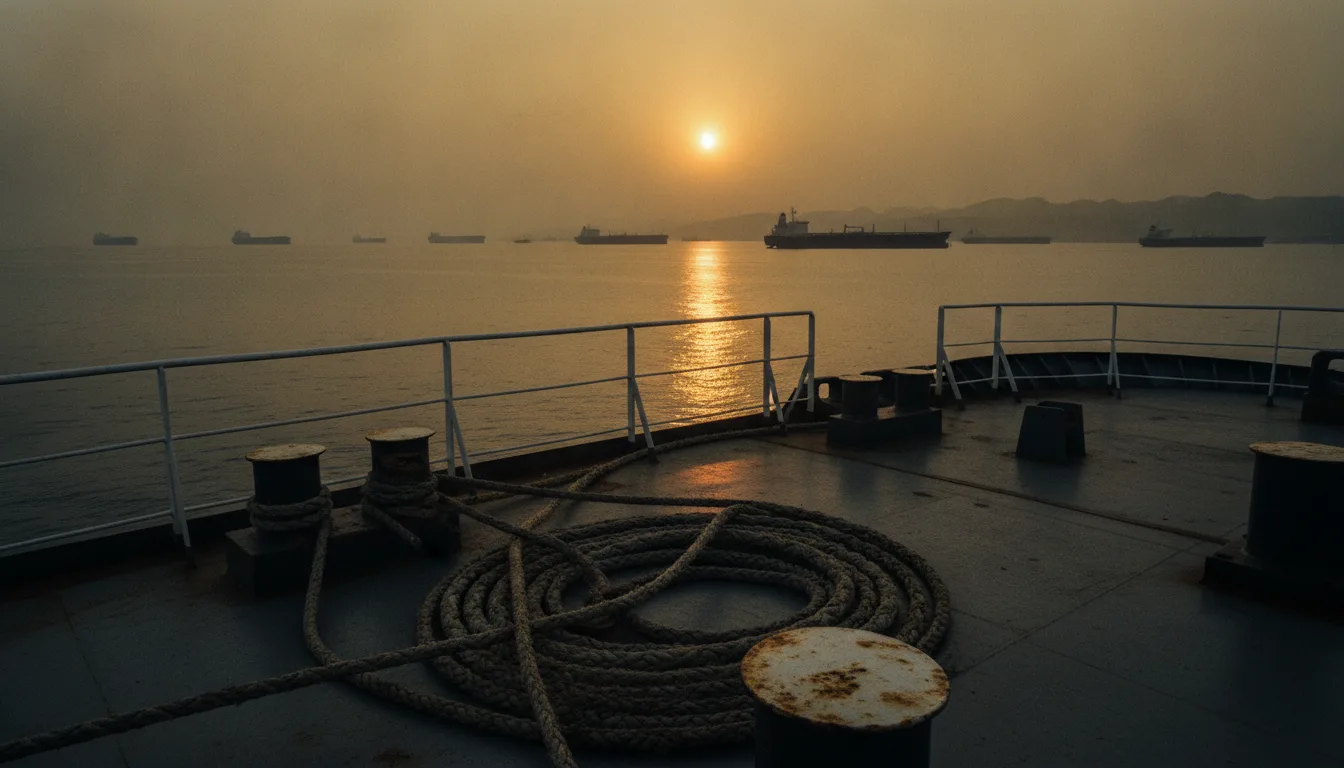
The comments came as the conflict widened into Yemen. Iran-linked Houthis have damaged Saudi oil installations, and oil prices crossed $100 a barrel last week. Iran has, in effect, closed the Strait of Hormuz, through which roughly a fifth of global oil and gas passes.
The context
Negotiations between Washington and Tehran have long relied on intermediaries, including Qatar, Pakistan and Oman. A Pakistan-brokered MoU signed last month collapsed within weeks, with each side accusing the other of breaching commitments. The MoU was meant to open a 60-day window for peace talks and included provisions to reopen the Strait of Hormuz. Iranian President Masoud Pezeshkian has said Tehran would return to the agreement if Washington did the same.
Diplomacy is now multi-track. Iran's Foreign Minister Abbas Araghchi met Chinese Foreign Minister Wang Yi in Beijing, where Wang called on both sides to "reopen the Strait of Hormuz at an early date". Araghchi also spoke by phone with Pakistan's army chief, Field Marshal Asim Munir, who has led mediation efforts. China's President Xi Jinping offered Beijing's help with peace efforts at the BRICS summit in New Delhi. Axios reported that Trump is expected to meet Gulf leaders on the sidelines of the UN General Assembly next week.
In Yemen, US officials met Houthi representatives at the US embassy in Muscat over the weekend, with Oman helping to organise the meeting. According to sources cited by Reuters, the Houthis said they did not intend to attack American vessels and remained committed to a 2025 ceasefire, while maintaining a declared blockade on Saudi shipping. The Houthis have seized Yemen's Red Sea coastline, tightening their grip on the Bab al-Mandeb strait, an alternative route that has gained importance as the war choked the Strait of Hormuz.
Why it matters
The energy consequences are already reshaping monetary policy. At its meeting ending 16 September, the Bank of England's Monetary Policy Committee voted 6 to 3 to hold Bank Rate at 3.75%, with three members favouring a rise to 4%. The Committee said "protracted conflict in the Middle East" had driven crude and refined energy prices higher and more volatile than before the conflict.
The numbers are stark. Brent crude and UK wholesale gas had risen by 36% and 78% respectively since the July Monetary Policy Report, with Brent at $106 a barrel and gas at 207 pence per therm on 14 September. UK CPI inflation reached 3.1% in August, triggering an exchange of open letters between the Governor and the Chancellor, and is expected to rise to around 3.75% in the fourth quarter and slightly above 4% in early 2027. Ofgem's energy price cap for October to December was raised to £1,723.
Financial conditions have tightened accordingly. The Bank noted full and fast pass-through to lending rates, with two-year fixed mortgage rates around 95 basis points higher than before the conflict. It judged the risks to inflation "tilted to the upside", while stressing there was "scope for the outlook to change materially as events in the Middle East unfold". The war's course is now a direct input into Western interest rate decisions.
The obstacles to a deal remain substantial. Tehran wants enforcement of the existing framework rather than new talks, denies direct contact, and demands that Washington honour terms it says the US has breached. The dispute over reopening Hormuz sits at the centre, and any normalisation of energy supply, the Bank warned, "was likely" to be "slow and gradual" even if the conflict were resolved.
What to watch
The UN General Assembly next week is the immediate diplomatic marker, with Trump expected to meet Gulf leaders. Any confirmation, or continued denial, from Tehran of direct US contact will indicate whether Trump's claims reflect substance or messaging.
On energy, the status of the Strait of Hormuz and the Bab al-Mandeb strait remains the key variable for prices. Further Houthi strikes on Saudi installations or shipping would keep upward pressure on Brent and refined-product crack spreads, which remain well above pre-conflict levels.
The Bank of England next decides on Bank Rate on 5 November 2026. Markets priced a prolonged hold, but the short-term interest rate curve was upward sloping, peaking near 4.9% by end-2027, and recent market intelligence pointed to a rising perceived probability of near-term increases. Signs of second-round effects in wages and prices, and the pace of any energy normalisation, will shape that decision. The Committee also voted to unwind its gilt holdings to zero at an average pace of £46bn a year by end-2034.