
1. The facts
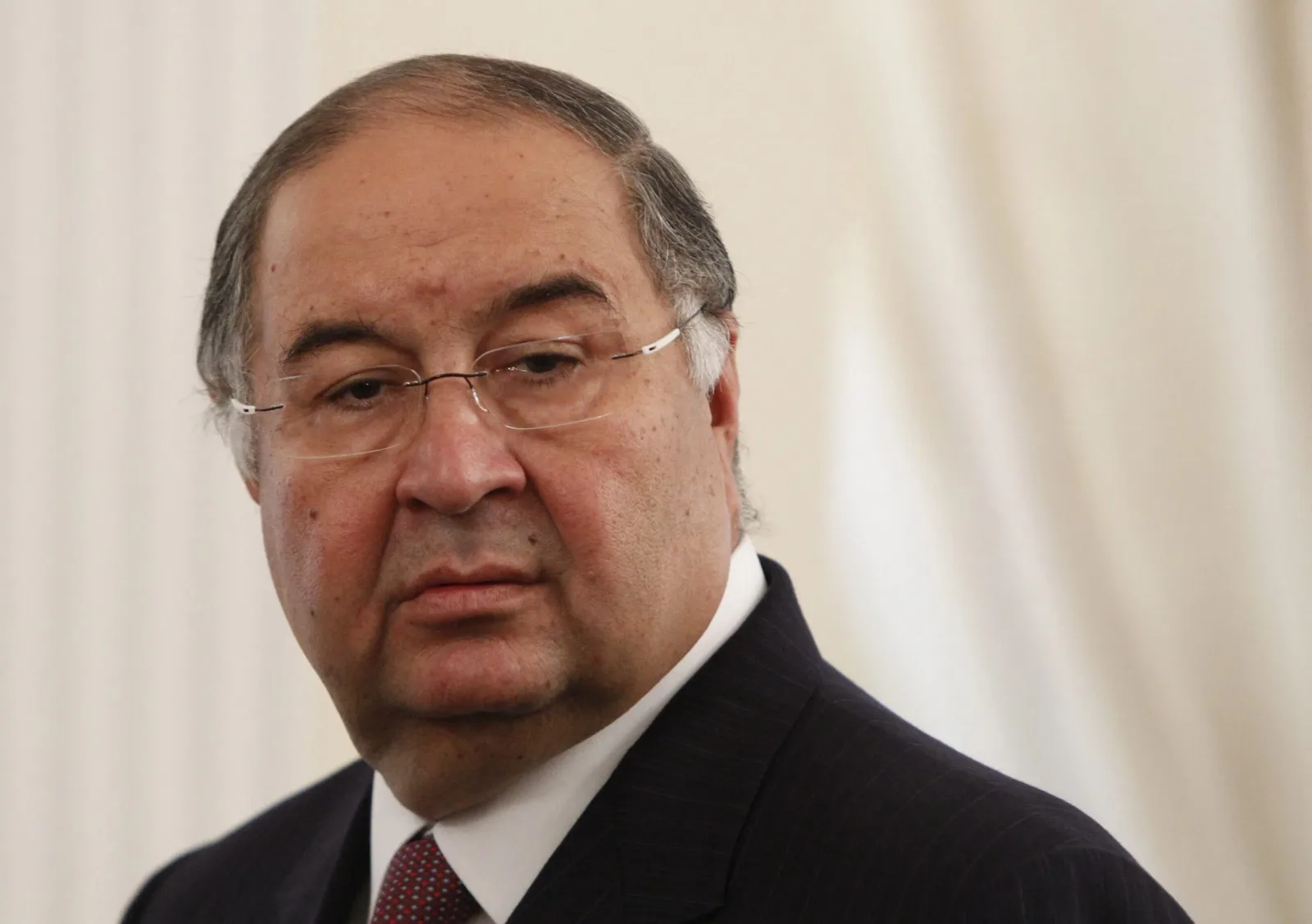
European Union ambassadors agreed on Monday to lift sanctions on Alisher Usmanov and Mikhail Fridman, two businessmen listed after Russia's invasion of Ukraine in 2022, provided no member state objected within hours, diplomats told Reuters. In return, the individual sanctions on thousands of other Russian people and entities will be renewed for three years, far longer than the usual six- or twelve-month rollover. The EU had described Usmanov as having particularly close ties to Vladimir Putin. The sanctions in question are an EU travel ban and a freeze on assets held in the bloc.
The deal ends a week of deadlock. On 15 September, envoys failed to agree the routine renewal, which requires unanimity, and pushed the deadline to midnight on 22 September. Slovakia had demanded both men's removal as its condition. To the surprise and anger of several capitals, France joined Slovakia on Usmanov. Luxembourg then demanded Fridman's removal too: Fridman is claiming 16 billion dollars from Luxembourg in arbitration, and the Grand Duchy argued its defence would be weakened if Usmanov alone were delisted.
2. The French question
Paris has not publicly confirmed that it pushed for Usmanov's delisting. Three European diplomats told Reuters last week that France did so after coming under pressure from Azerbaijan, which is detaining at least two French nationals. A senior Azerbaijani diplomat rejected that on Friday. Politico, citing a French diplomat, reported that Paris cited its own national security considerations and a wish to respond to requests from international partners.
If the diplomats' account is accurate, it describes something new: a sanctions listing adopted by 27 governments to punish a war becoming a bargaining chip in a bilateral dispute over detained citizens, with a third country outside the EU able to move the outcome through one member. That is the precedent other capitals objected to, and the one that will be invoked the next time a listing is up for renewal.
It is not the first attempt. In March 2026, Hungary and Slovakia sought the same two removals; both men stayed listed. Usmanov also faced a separate criminal investigation in Munich over suspected breaches of German foreign trade law, including undeclared valuables and payments via offshore companies for surveillance of properties on Lake Tegernsee; it was dropped last year after he paid a 10 million euro fine.
3. What to watch
Whether anyone objects before midnight. A single objection reopens the package and the 22 September deadline.
The legal effect on other cases. Delistings are routinely cited by lawyers for other listed individuals challenging their own designations before the EU General Court.
Paris. Whether the French government explains its position publicly, and whether the two detained French nationals are released in the coming weeks.
The three-year horizon. Renewing until 2029 removes the six-monthly veto that Budapest and Bratislava have used repeatedly. It also removes the regular review that allows the EU to add or drop names in response to events.