
What happened
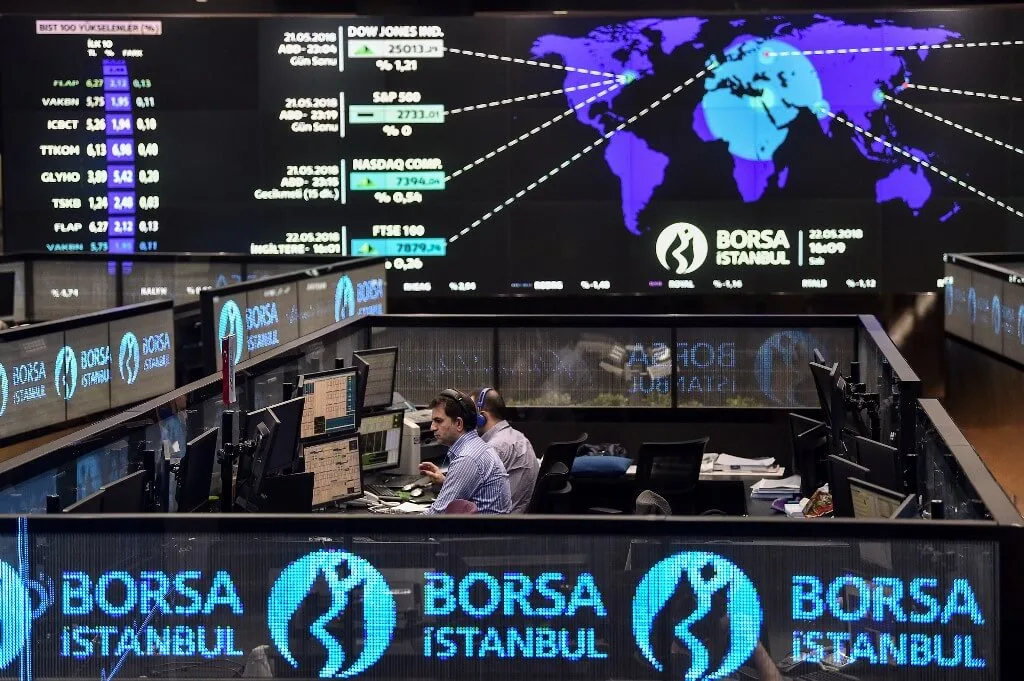
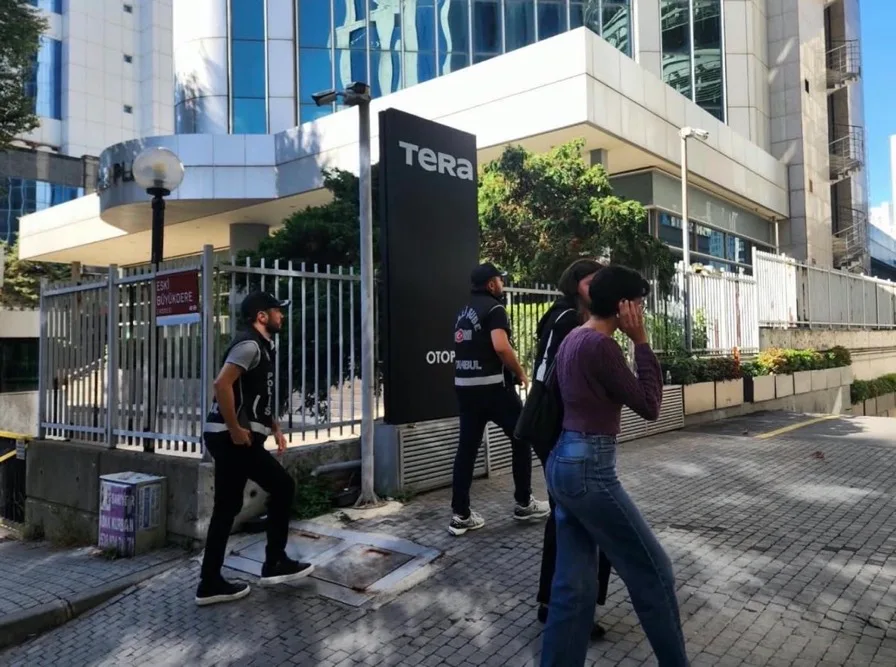
Turkish authorities are unwinding what has been described as a Ponzi-like fund scheme centred on the Borsa Istanbul (BIST), the country's main stock exchange. Two asset managers, Tera Portfoy and Pusula Portfoy, allegedly delivered returns measured in thousands of percent by channelling investor money into their own affiliated, low-float stocks in a circular loop. According to the account circulating in markets, one fund held 99% of its assets in a single related stock, with rising prices attracting fresh inflows that bought more of the same stocks and inflated net asset values further.
https://x.com/business/status/2100530227453509870?s=61
The scheme reportedly unravelled when the capital markets regulator, the Sermaye Piyasasi Kurulu (SPK), enforced new free-float and concentration rules. Redemptions surged, with about 133bn Turkish lira said to have left Pusula funds alone. Pusula could not meet payouts, and Tera then defaulted on two funds worth a combined $7.5bn, while six further Tera funds switched to delayed redemptions.
The BIST 100 index fell as much as 7.7%, triggering circuit breakers. Authorities responded with an emergency Financial Stability Committee meeting, criminal complaints against 38 people for market manipulation in three stocks (Katilimevim, Gundogdu Gida and Destek Finans Faktoring), a two-year trading ban on Pusula, and the freezing on the TEFAS platform of all funds from seven portfolio companies: Tera, Pusula, Hedef, Atlas, A1, Pardus and Bulls. Those funds are heading for forced liquidation.
The context
Turkey's equity market has drawn heavy domestic retail participation in recent years, in part as savers sought protection against high inflation and a weakening lira. That environment has made low-float stocks, where a small proportion of shares trade freely, particularly susceptible to price manipulation and to self-reinforcing inflows.
The alleged mechanism here relied on that fragility: funds concentrated in illiquid, affiliated stocks could report outsized paper gains as their own buying pushed prices up, drawing in more money in a loop. The SPK's decision to tighten free-float and concentration limits appears to have been the trigger that exposed the gap between reported net asset values and what could actually be redeemed for cash.
Why it matters
A 7.7% intraday fall in the benchmark index and forced liquidations across seven fund houses point to contagion risk in a market where investor confidence is already fragile. Frozen redemptions and defaults on funds worth billions of dollars raise questions about how much of the reported performance across Turkish portfolio managers reflected genuine value rather than circular pricing.
The speed of the state response, an emergency stability meeting, criminal complaints and trading bans, signals that regulators regard the episode as a systemic threat rather than an isolated fraud. How losses are ultimately distributed between retail investors, fund managers and any backstop will shape trust in Borsa Istanbul and in Turkey's asset management industry more broadly.
What to watch
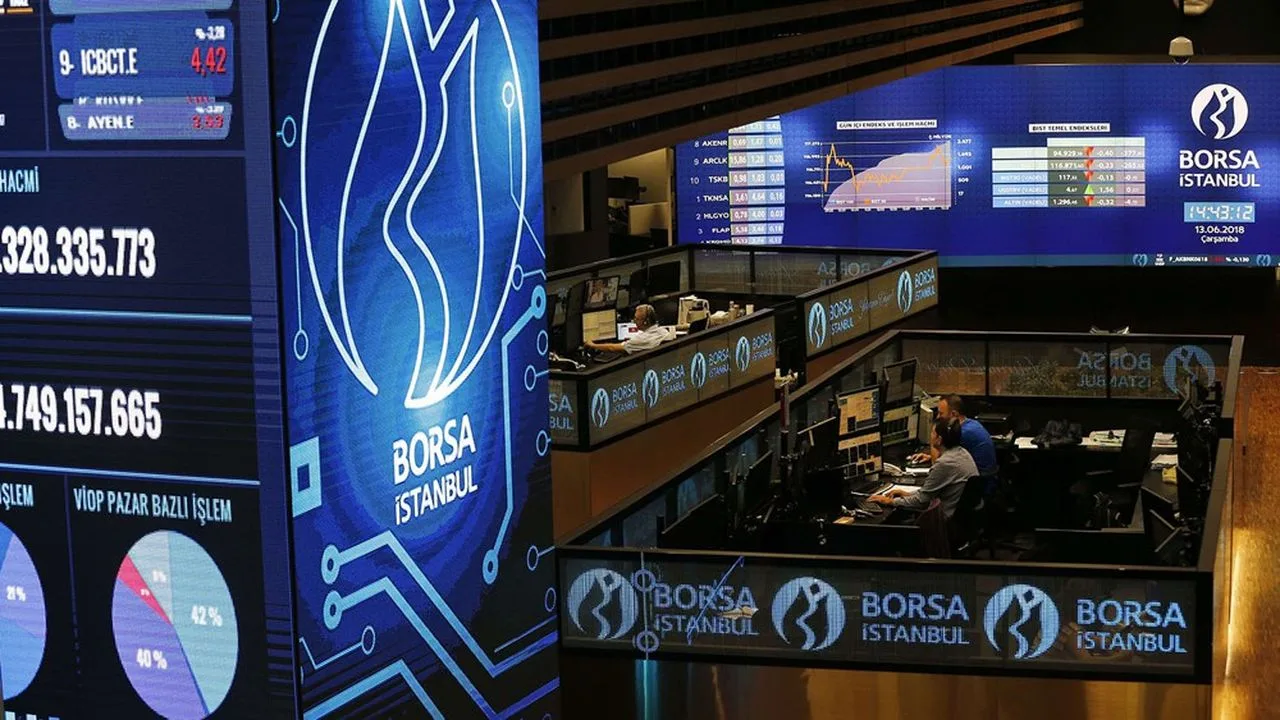
The key signals are the pace and terms of the forced liquidations on TEFAS, and whether redemption freezes spread to other funds beyond the seven named companies. Any further defaults or extensions of delayed redemptions at Tera would indicate the problem is still widening.
Watch also for outcomes from the criminal complaints against the 38 individuals, additional SPK enforcement actions, and BIST 100 stability once trading normalises. Statements from the Financial Stability Committee and any measures to protect retail investors will indicate how far the authorities intend to intervene.