
1. What happened
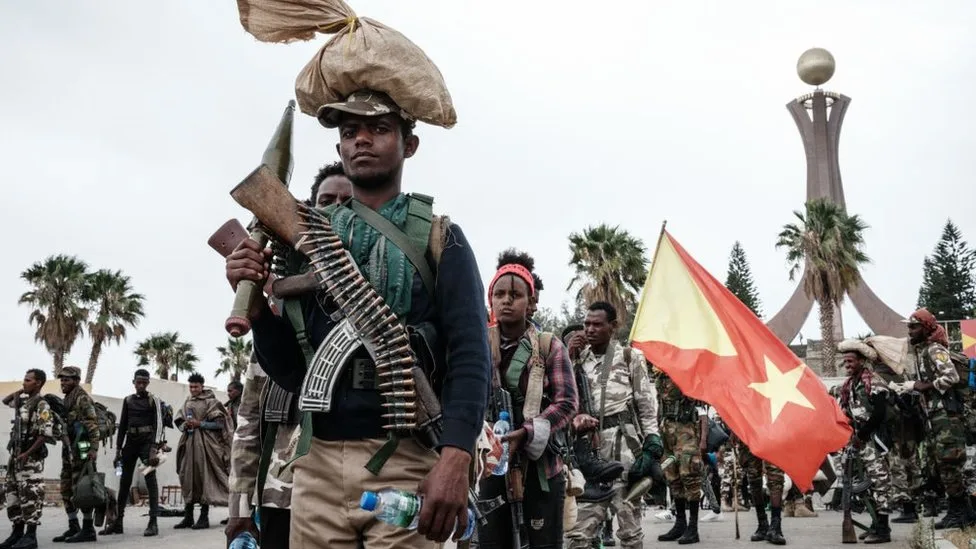
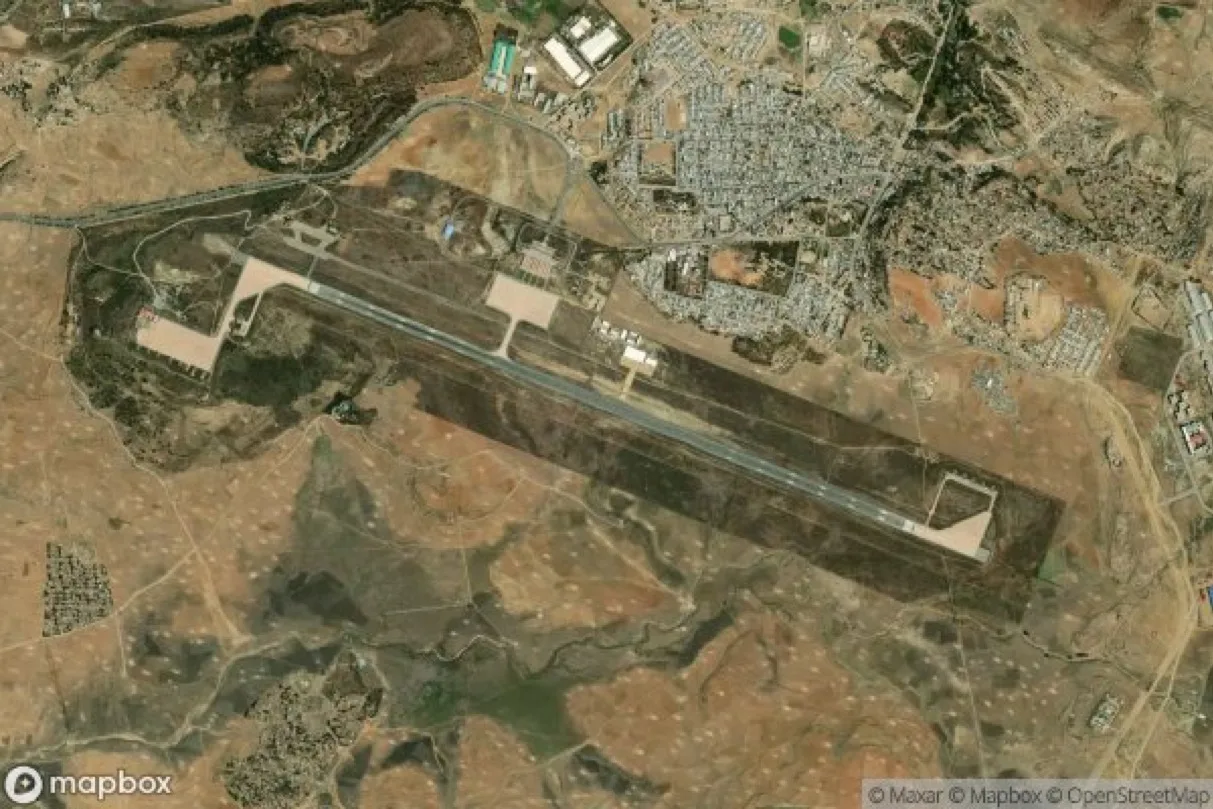
Overnight into Wednesday 23 September, Tigrayan forces took control of Alula Aba Nega Airport in Mekelle, the regional capital, from the federal police who guard it. Two local sources told Reuters. An airport employee told AFP that staff on their way to work were turned back after a supervisor said Tigrayan forces had taken over, and a foreign security source confirmed it.
By the afternoon, TPLF vice-president Amanuel Assefa told AFP that Tigrayan forces had also seized the airports of Shire and Axum, taking the small number of federal police stationed there prisoner. AFP reported the Tigrayans were also clashing with federal forces in neighbouring Afar. Ethiopian Airlines temporarily suspended all flights to the three cities, citing "the current situation in the Tigray region", with no date for resumption.
"It is the beginning of the war," Amanuel Assefa told AFP, adding that he saw no possibility of de-escalation.
His account is that federal ground forces attacked from southern and eastern Tigray and that the Tigray Defence Forces were ordered to defend. That version has not been independently verified.
2. Why the airport matters
Mekelle's airport is the main air link between Tigray and Addis Ababa. Its history is the history of the conflict. After Tigrayan forces retook Mekelle in June 2021, flights were halted for nearly 18 months. When the first Ethiopian Airlines plane landed there on 28 December 2022, weeks after the Pretoria peace agreement, it marked the end of two years of isolation; the same deal restored aid access, telecommunications and banking.
The reopening of Mekelle's airport was one of the first tangible proofs that Pretoria worked. Its closure is the clearest sign yet that it no longer does.
The link had already wobbled this year. After clashes in late January, flights to Mekelle, Axum and Shire were suspended for several days and resumed on 3 February. This time, the airports themselves have changed hands.
3. The context, and what to watch
The seizure comes three days after the TPLF was announced as a member of a new alliance of seven armed groups seeking to remove Abiy's government, alongside the Amhara Fano and the Oromo Liberation Army. The 2020 to 2022 war killed some 600,000 people, according to African Union estimates. Since Pretoria, each side has accused the other of violating the deal. In May, the TPLF took control of the regional government from the interim administration the agreement had set up. Rights groups have accused it of forced recruitment this year, and around one million people remain displaced from the last war.
Watch:
Addis Ababa's response. A federal operation to retake the airports would mark a return to open war.
Afar. Fighting on the Tigray-Afar boundary is the front most likely to widen.
The alliance. Whether Fano or the OLA open simultaneous fronts, turning a joint communiqué into a joint campaign.
Humanitarian access. The suspension of scheduled flights does not by itself mean aid flights have stopped. That is the next thing to confirm.