
1. What happened
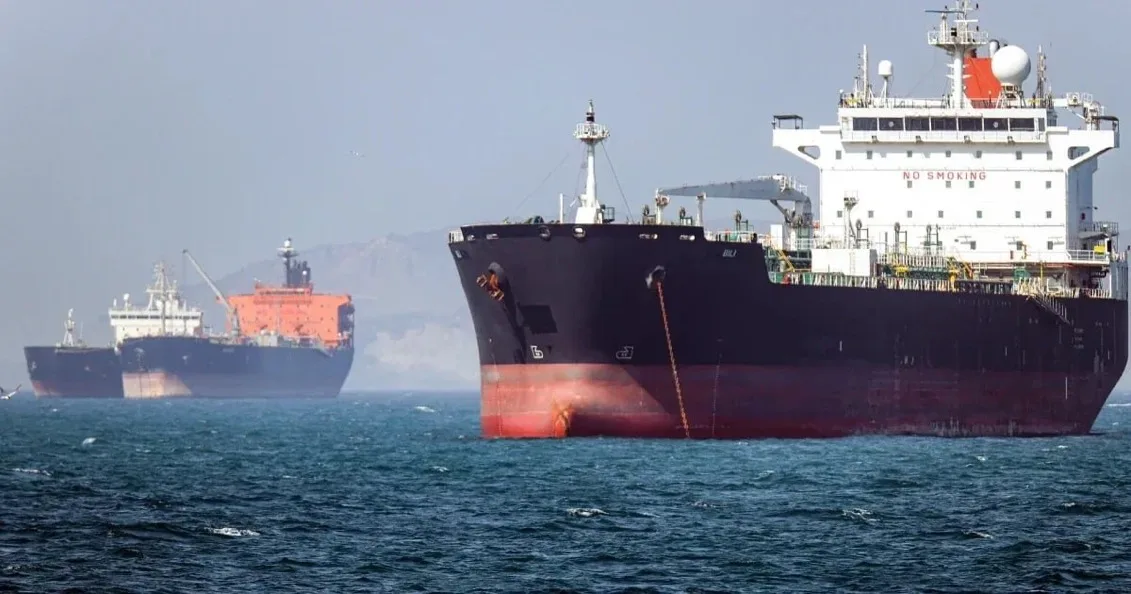
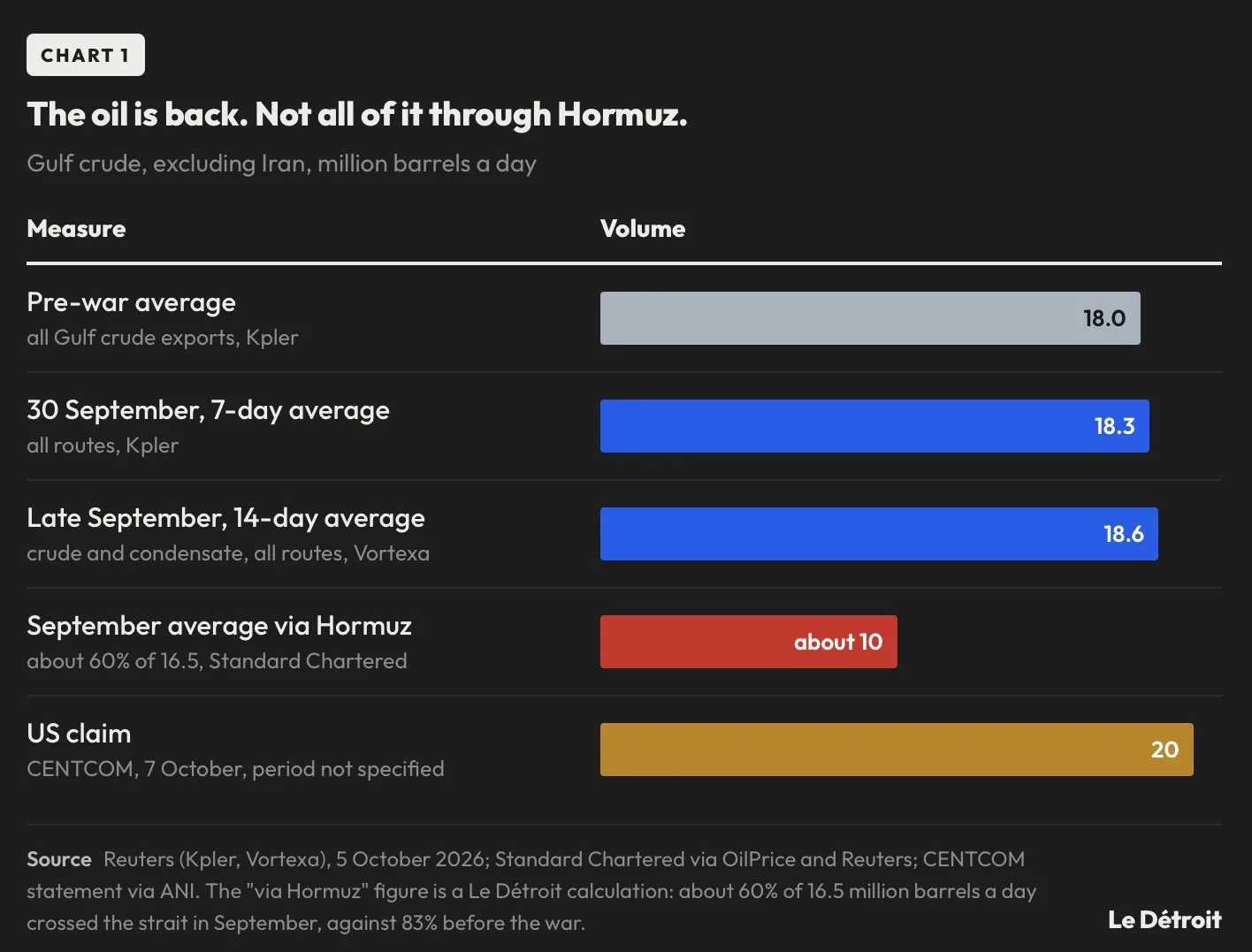
According to the Jerusalem Post, the United States now has "full control" of the Strait of Hormuz, and a source says 20 million barrels of oil crossed it on Wednesday, a level comparable to before the war. The figure matches a statement by the US Central Command on Wednesday 7 October. CENTCOM called Iran's claim that the strait is closed "FALSE" and said: "The United States and regional partners clearly control the strait." It put the volume moving through at 20 million barrels "right now", without specifying a period.
2. What the data says
Tracking data confirms that Gulf oil is flowing again, with an important nuance. According to Kpler, cited by Reuters, the seven-day average of crude exports from the region, excluding Iran, reached 18.3 million barrels a day on 30 September, above the pre-war average of about 18 million. Vortexa puts its 14-day average at 18.6 million.
But these totals include oil that bypasses the strait, loaded at Red Sea ports and Gulf of Oman terminals. According to Standard Chartered, only about 60% of Gulf crude crossed Hormuz in September, against 83% before the war: roughly 10 million barrels a day on average. The 20 million figure looks like a single-day snapshot, of the kind US officials have cited several times during the crisis, not an average.
Three more caveats:
Far fewer ships. Before the war, about 125 large commercial vessels crossed each day, according to Reuters. In September, Kpler's 10-day averages ranged from about 14 to 17, with fewer, larger tankers carrying the oil.
Fuel and gas lag behind. Refined products remain constrained, and QatarEnergy is still under force majeure on its LNG exports.
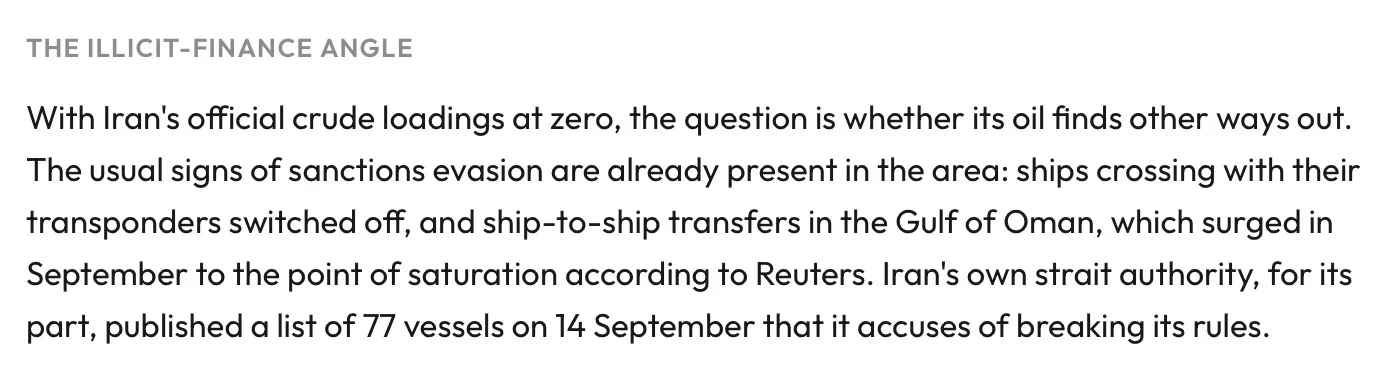
The counts disagree. US figures have repeatedly run above commercial trackers. Al Jazeera's analysis points to different counting rules and ships sailing with their tracking beacons switched off.
3. Tehran's version
Iran says it still controls the strait. On Monday, Brig. Gen. Aziz Jafari said "all movements" in Hormuz were "under the control of the armed forces". Parliament speaker Mohammad Bagher Ghalibaf said it would stay closed until Iran's seven conditions are met. Foreign minister Abbas Araghchi said shipping could fully resume within seven days if they were. Tehran also says it has agreed safe-route coordinates with Oman.
4. Why prices have not fallen
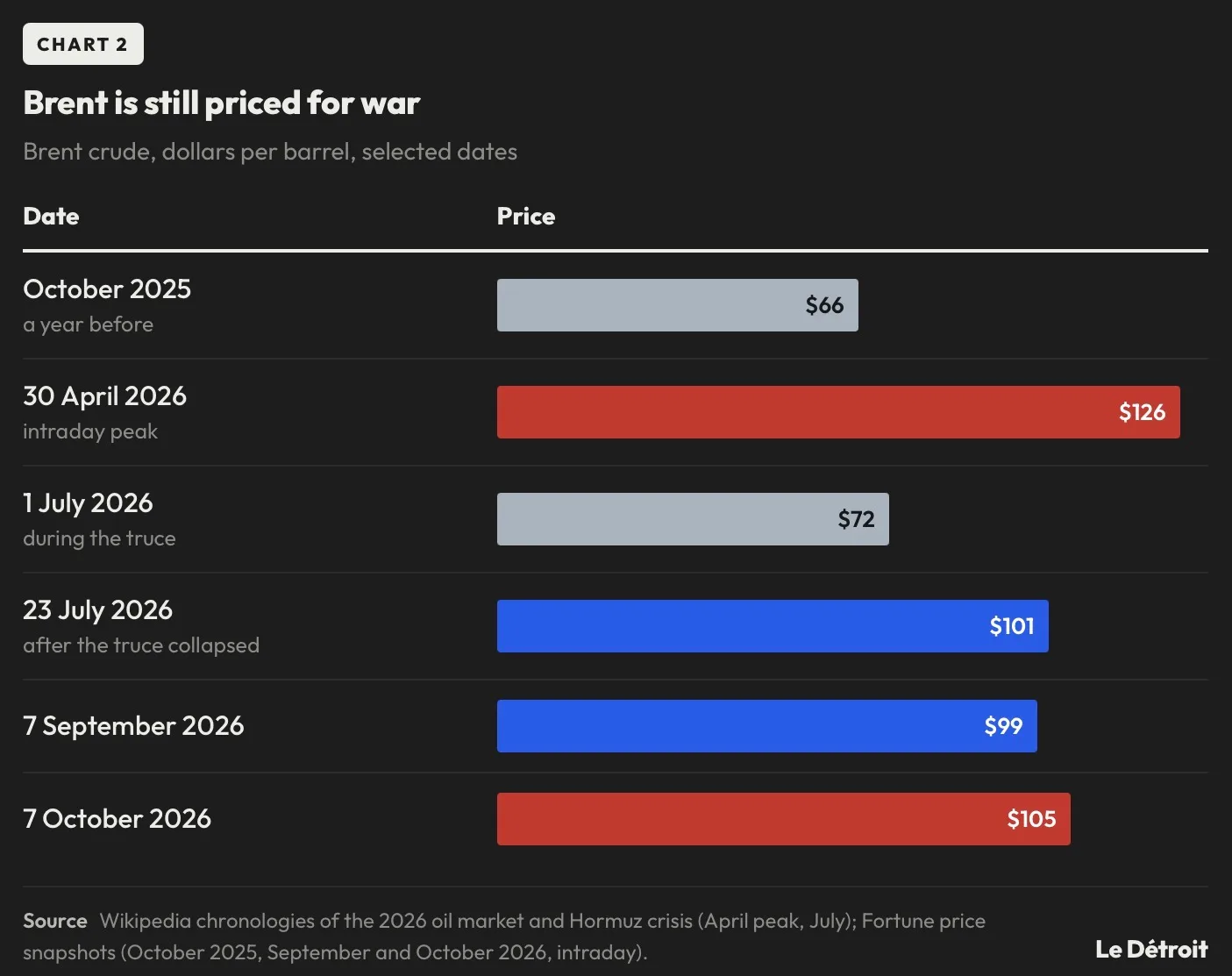
Oil is moving, but the risk has not gone. The UK Maritime Trade Operations agency has reported at least one attack a day in the Strait of Hormuz or the Gulf of Aden since 2 October. Insurers, shipowners and traders are pricing that risk: Brent traded between about $103 and $106 on 7 and 8 October, almost 60% higher than a year ago.
5. What to watch
Whether the 20 million barrel level holds in Kpler and Vortexa data next week.
Any US response to Iran's seven conditions, and whether the Iran-Oman safe route opens.
LNG: the end of QatarEnergy's force majeure would be the clearest sign of normalisation.
The daily attack count reported by UKMTO.