1. Lagarde holds rates, then names her own last day
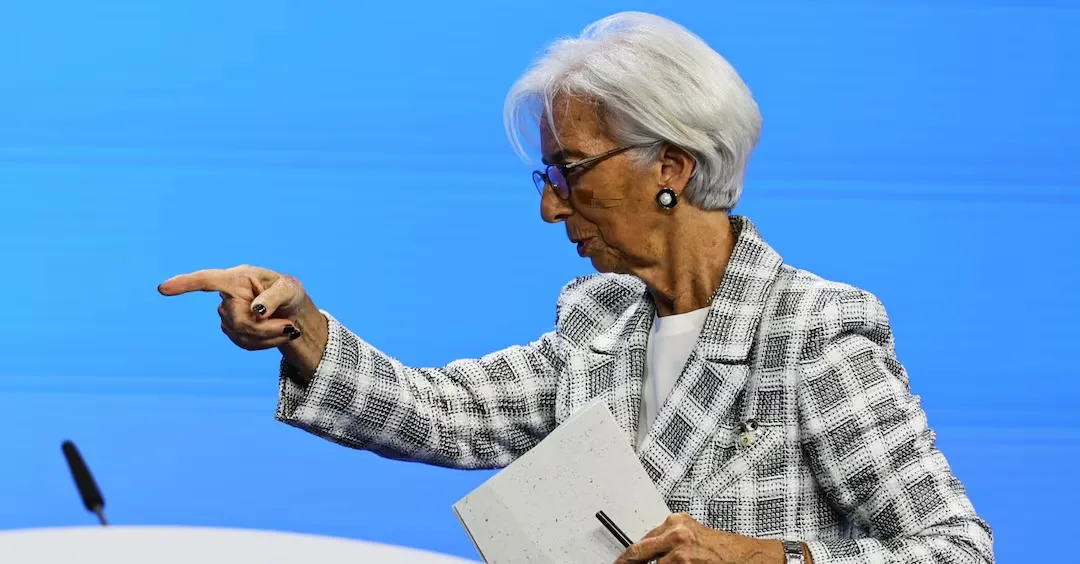
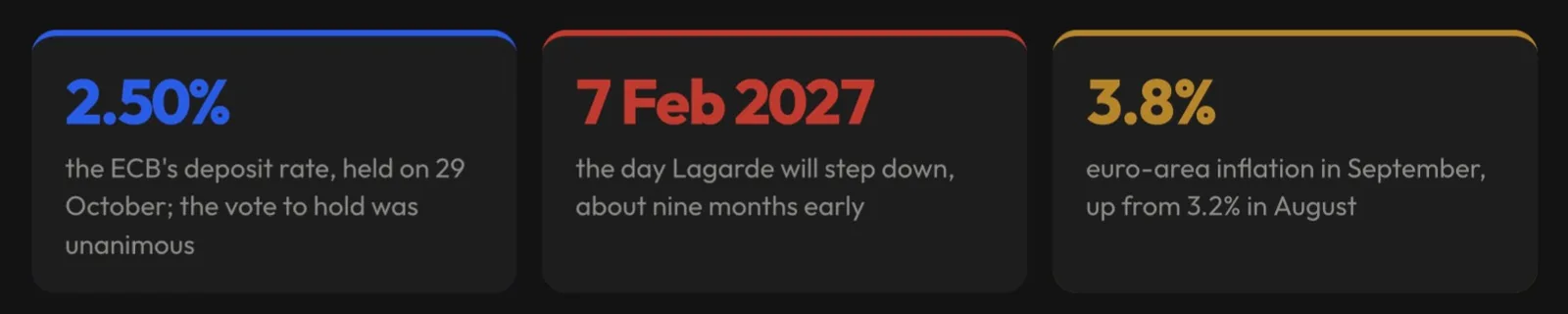
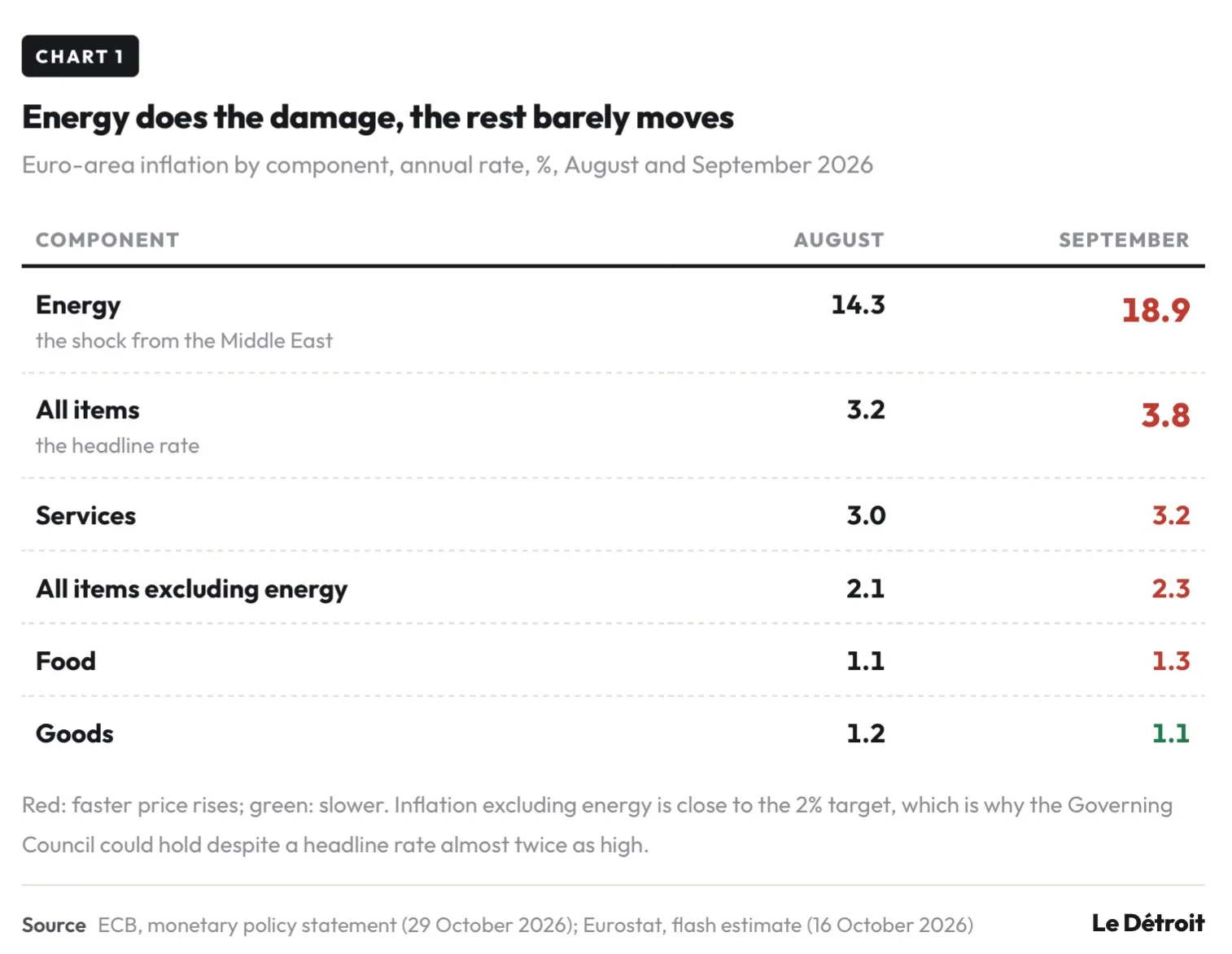
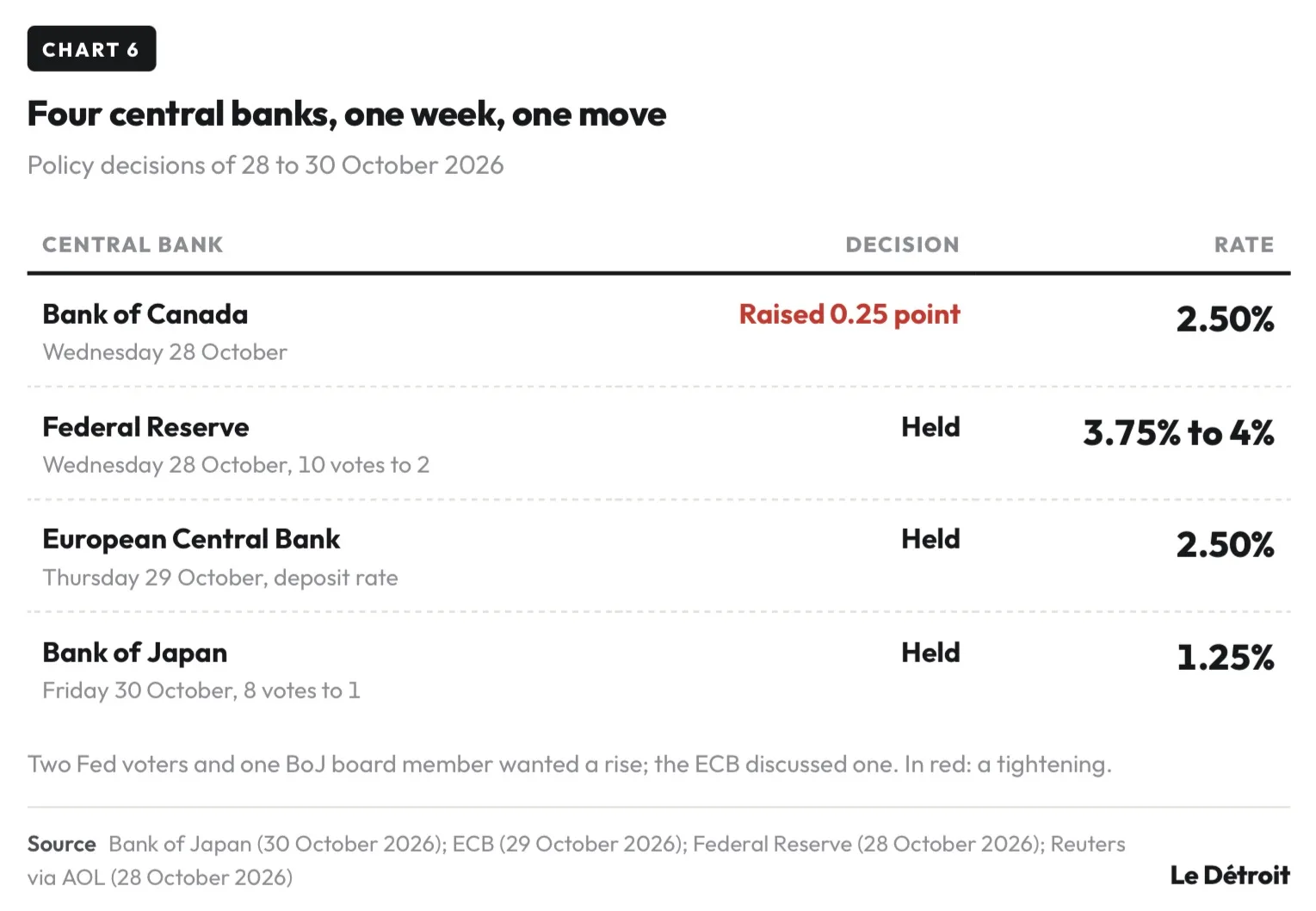
The European Central Bank chose calm on rates and upheaval at the top. On Thursday 29 October, its Governing Council kept the deposit rate at 2.50%, set by a rise in September; a further increase was discussed, but the decision to hold was unanimous. Then Christine Lagarde said she would step down on 7 February 2027, about nine months before her term ends. The timing is the story: EU leaders can now choose her successor before France's presidential election in April, while Emmanuel Macron still sits at the table. The data explain the patience. Prices rose 3.8% in the year to September, but energy, up 18.9%, did most of the work; excluding energy, inflation was 2.3%. Lagarde wants "the freedom to engage on matters that are not monetary policy matters", she told reporters. "I'm interested in the truth, and I see the truth being very often damaged, contradicted by misrepresentation," she said, without naming anyone.
https://x.com/lagarde/status/2115746242491723810?s=61
2. Bulgaria says it is off the money-laundering grey list
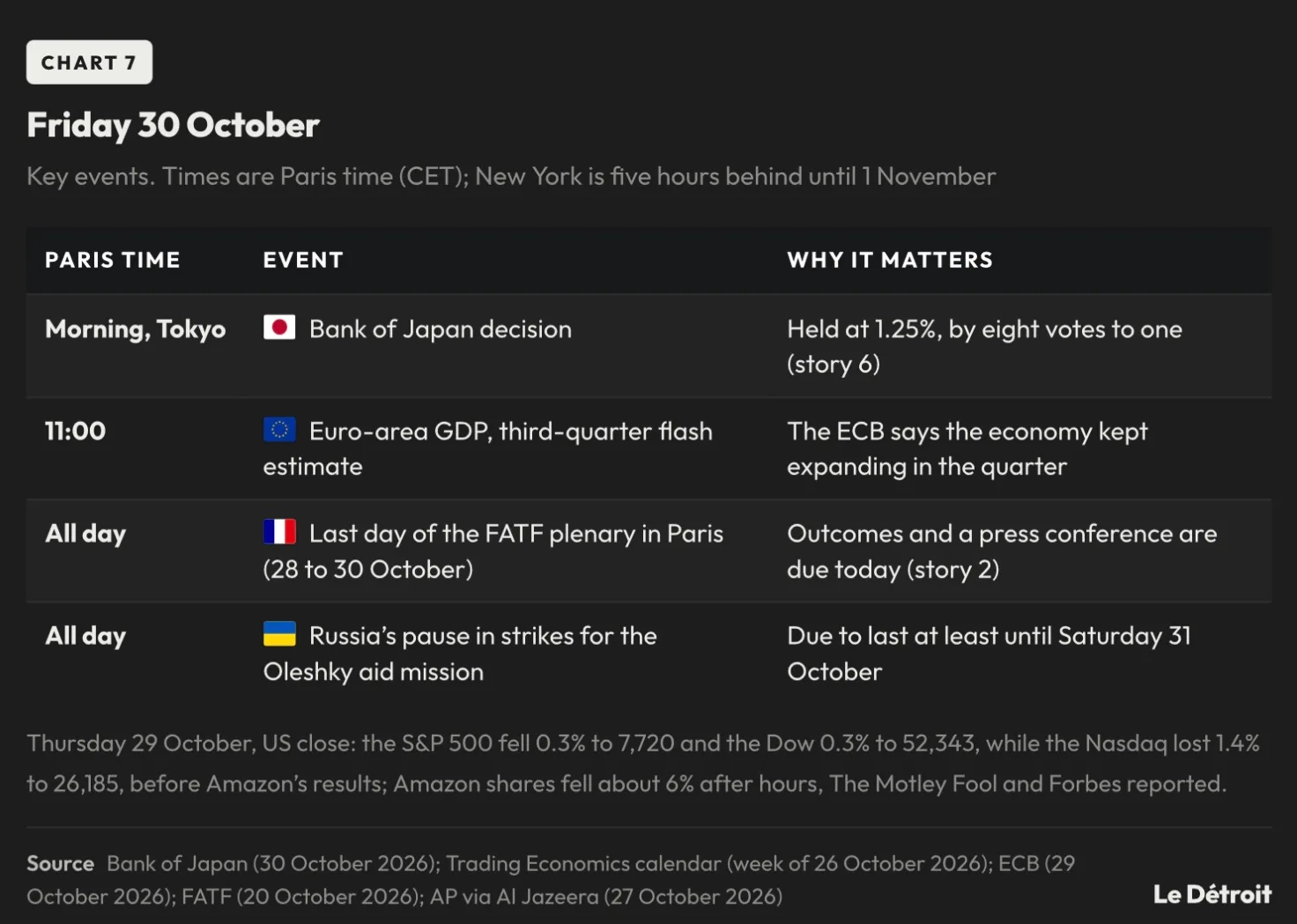
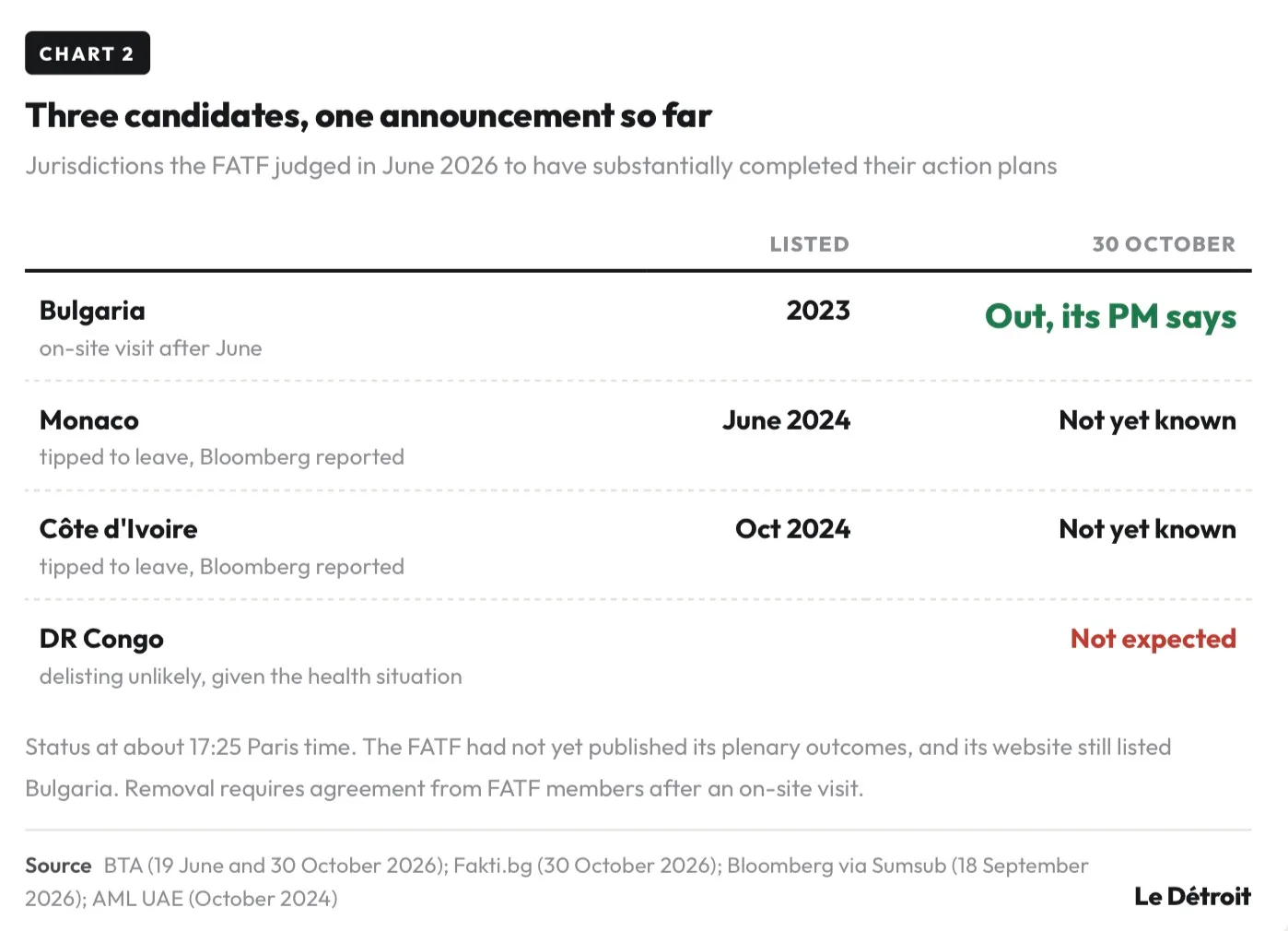
Bulgaria has announced its escape from the world's money-laundering watchlist before the watchdog itself has said a word. On Friday 30 October, as the Financial Action Task Force closed its plenary in Paris, Prime Minister Rumen Radev said Bulgaria had been removed from the FATF's list of jurisdictions under increased monitoring, the "grey list". The FATF itself had published nothing by mid-afternoon Paris time, and its website still listed Bulgaria, Fakti.bg noted. Being on "this shameful list", Radev said, was "not only reputational damage, but also a problem for the economy and for citizens" (Le Détroit's translation). Bulgarians working or studying abroad should face fewer extra checks and refused payments, he said. Bulgaria was listed in 2023; in June, the FATF found its action plan substantially completed, clearing the way for an on-site visit to check the reforms. Monaco and Côte d'Ivoire won the same verdict in June and were tipped by Bloomberg to leave too; the Democratic Republic of Congo was not.

3. America grows at 3.4%, but September prices run at 3.6%
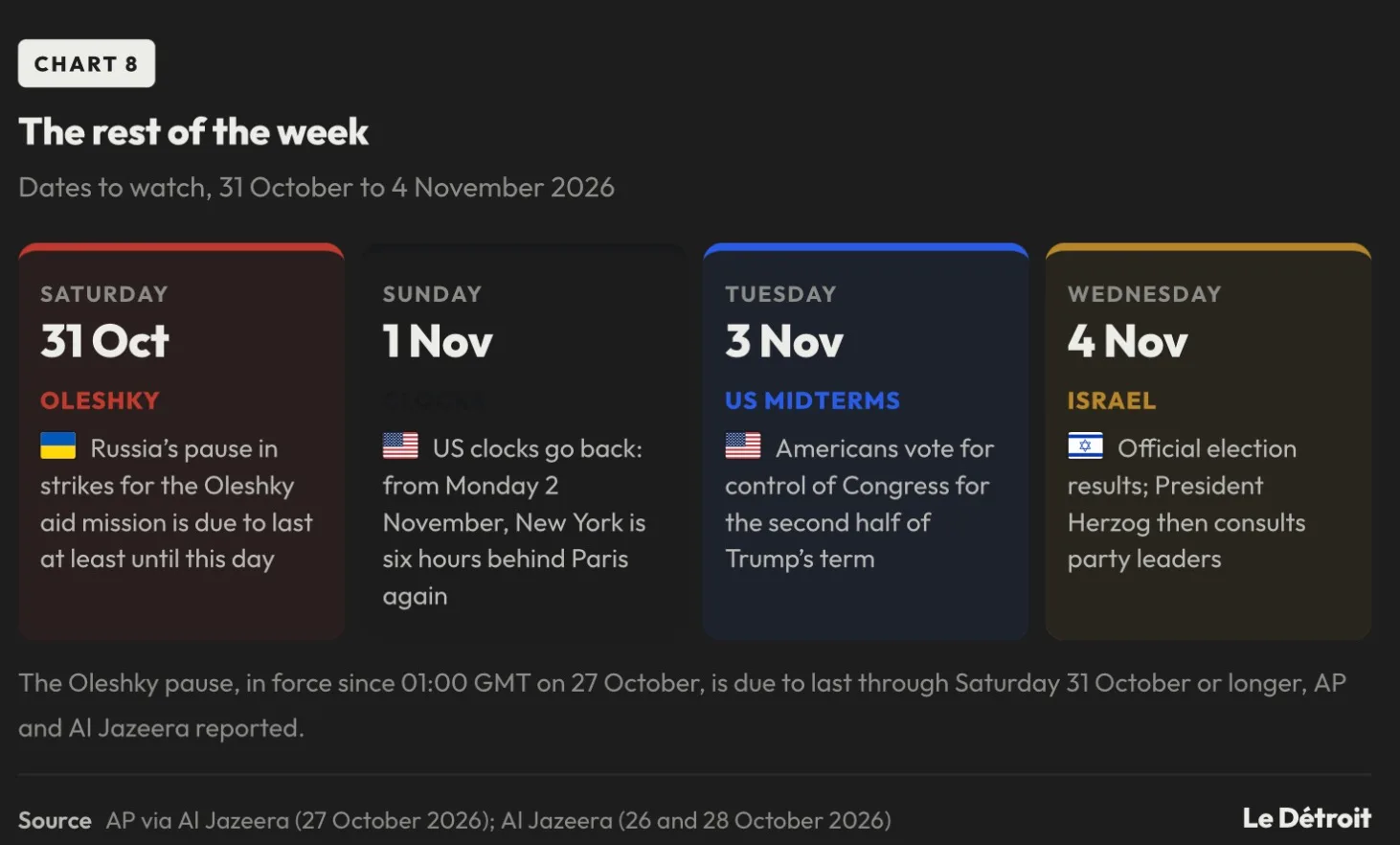
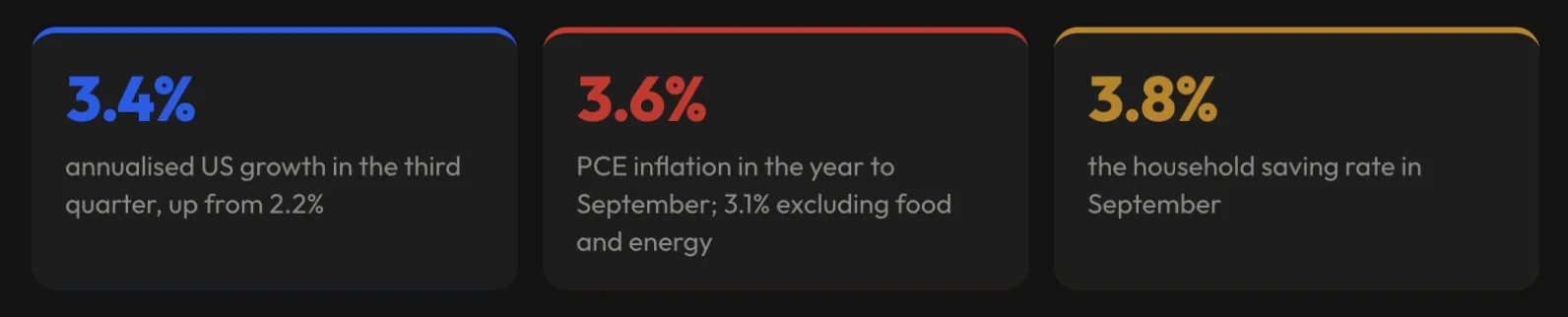
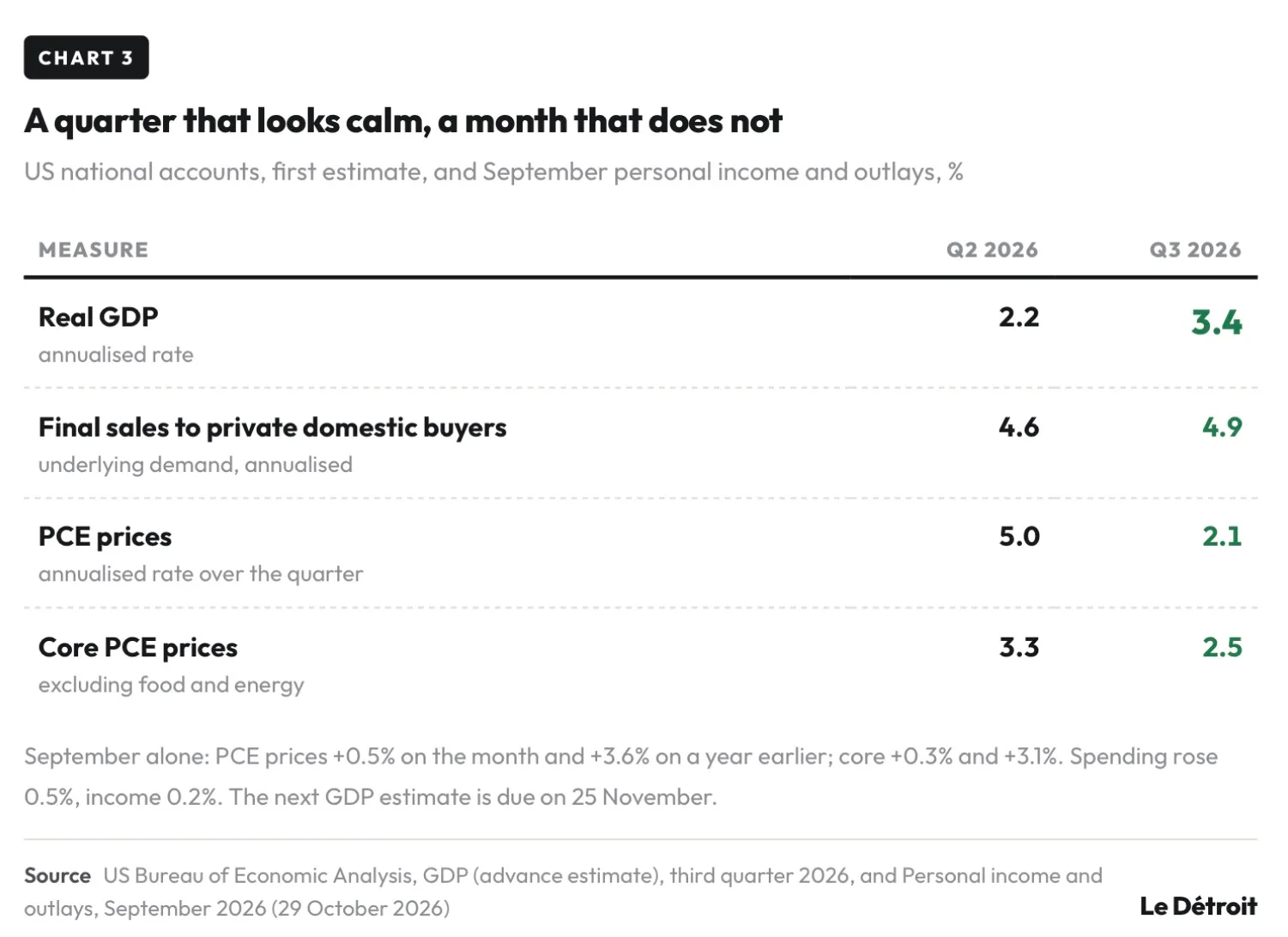
The last big economic snapshot before Tuesday's midterms shows an American economy running hot on both counts. Real GDP grew at an annualised 3.4% in the third quarter, up from 2.2%, the Bureau of Economic Analysis said on Thursday 29 October. Stockbuilding and equipment, led by information-processing gear, drove investment; consumer and government spending rose, while exports fell, led by petroleum. Final sales to private domestic buyers, a cleaner gauge of demand, rose 4.9%. The quarter's price figures look soothing, but they flatter: the PCE index rose at a 2.1% annual rate after 5% in the second quarter, yet September alone added 0.5%, leaving prices 3.6% higher than a year earlier; core prices were up 3.1%. Households are spending faster than they earn: outlays rose 0.5% in September, incomes 0.2%, and the saving rate was 3.8%. For a Fed that held on 28 October while two voters wanted a rise, none of this argues for a cut.
4. China's party expels 33 officials, its former top general among them
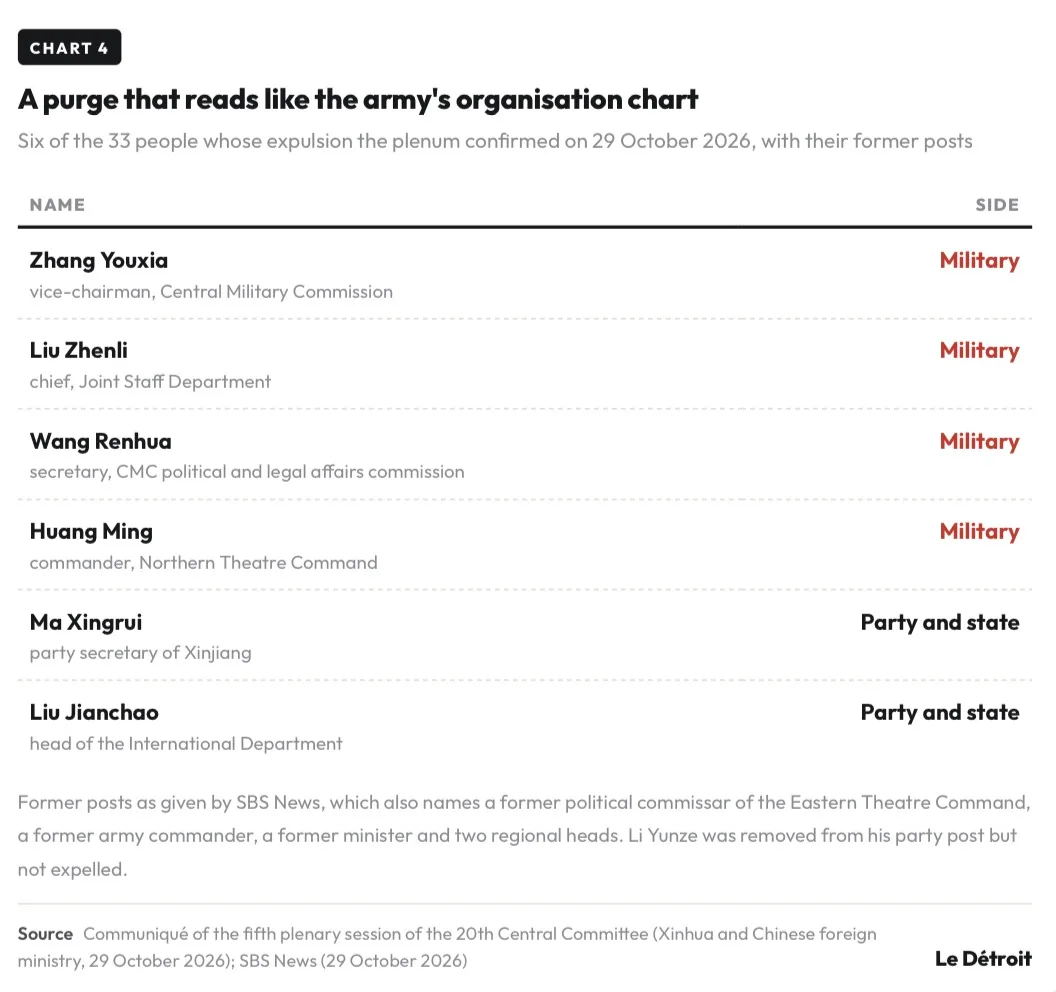
A year before the next party congress, Xi Jinping has written a purge into the record. The Communist Party's Central Committee, meeting in Beijing from 26 to 29 October, confirmed the expulsion of 33 people, among them Zhang Youxia, a former vice-chairman of the Central Military Commission, the official communiqué shows. The list reads like the army's organisation chart: Liu Zhenli, former chief of the Joint Staff Department; Wang Renhua, its top legal and political officer; and former leaders of the Eastern and Northern theatre commands, SBS News reported. Civilians include Ma Xingrui, a former party chief of Xinjiang, and Liu Jianchao, who ran the party's International Department. Ten alternates were promoted to fill empty seats, and Zhang Shengmin, a military commission vice-chairman, joined the Politburo. The plenum adopted a resolution on "full and rigorous Party self-governance" and set the 21st Congress for the second half of 2027, when Xi could secure a fourth term.
https://x.com/reuters/status/2115856115577553273?a=QySA1oJOOhb49KjeZWQ&s=61

5. Amazon's cloud speeds up to 39%, but earnings miss forecasts
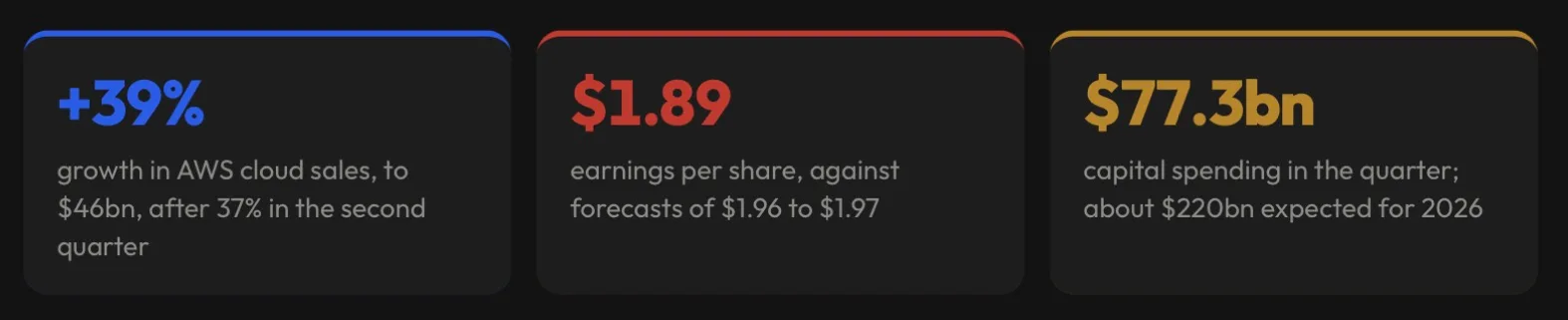
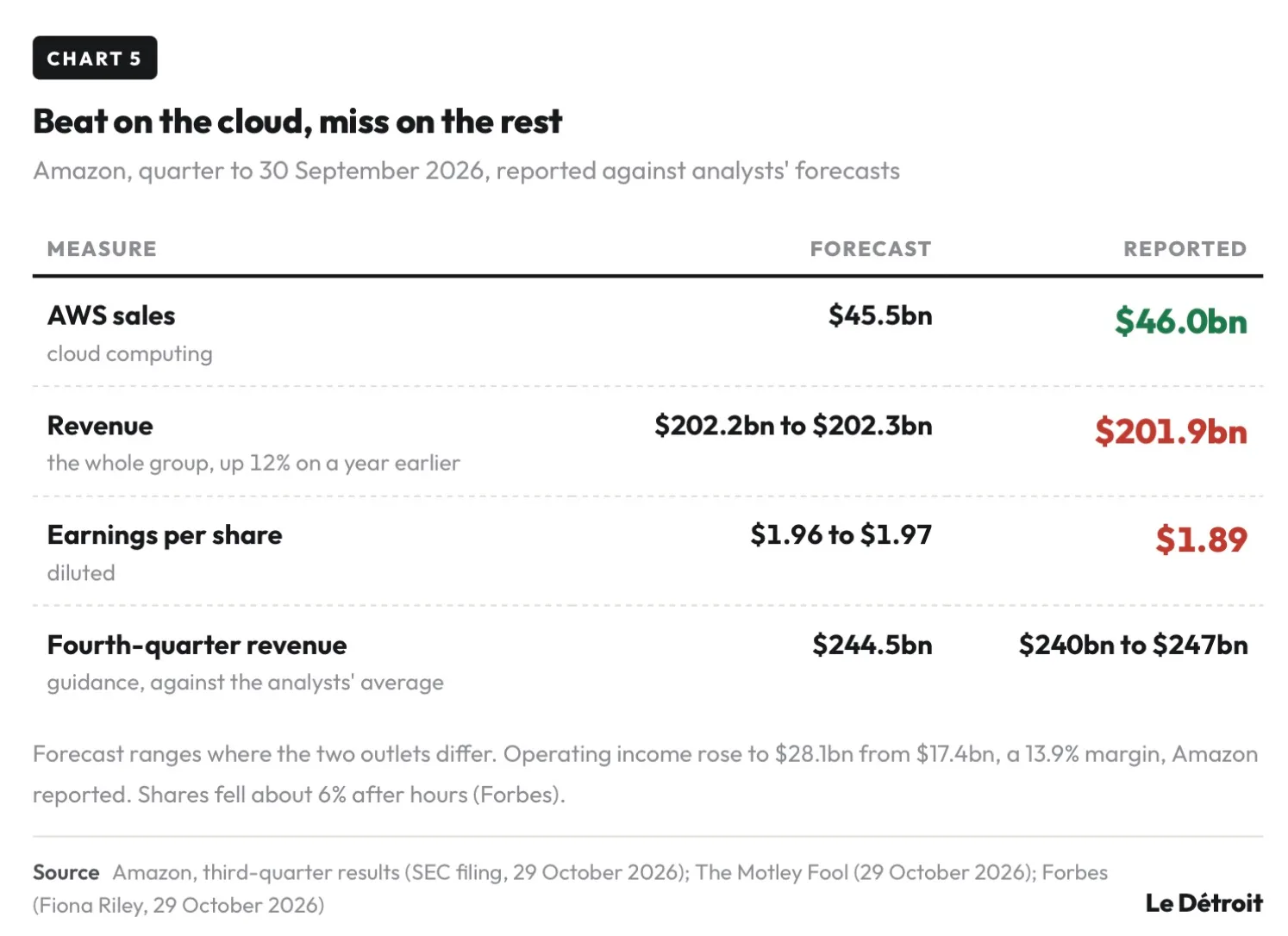
Amazon has shown that AI demand is speeding up its cloud, and that investors still want the profits to keep pace. On Thursday 29 October, it reported third-quarter revenue of $201.9bn, up 12% on a year earlier and just below forecasts of about $202bn; moving Prime Day into the second quarter cut growth by about four points, Amazon said. Earnings per share of $1.89 missed estimates of $1.96 to $1.97; a year earlier, $9.5bn of Anthropic gains had lifted them to $1.95. Its cloud arm, AWS, was the bright spot: sales rose 39% to $46bn, after 37% in the second quarter, and management projects growth above 40% in both 2027 and 2028, The Motley Fool reported. The bill is enormous: $77.3bn of capital spending in the quarter, about $220bn expected for 2026. Shares fell about 6% after hours. A day after Microsoft reported capital spending twice last year's, the pattern holds across the giants: cloud growth is accelerating, so is its cost, and the market is pricing the second.
6. The Bank of Japan holds at 1.25%, but one member wants 1.5% now
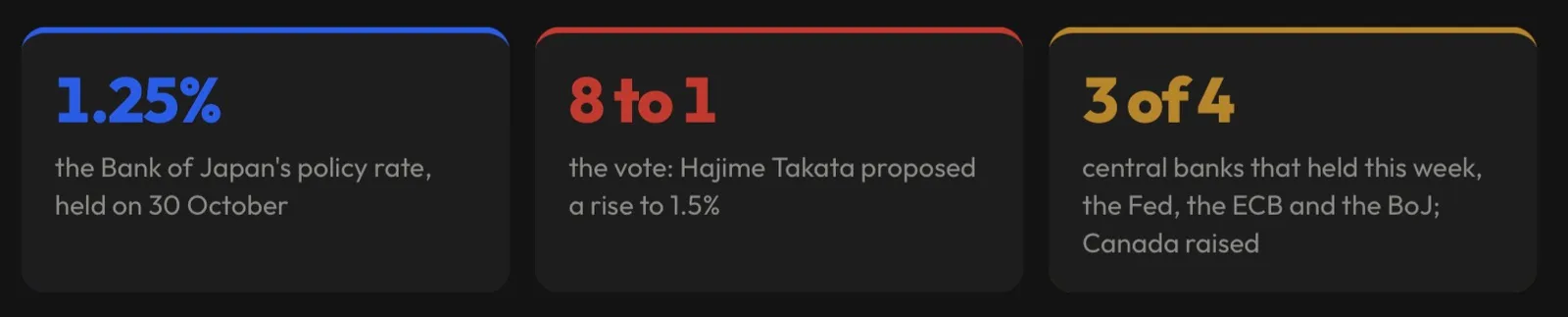
Japan's central bank is edging towards a rise rather than ruling one out. On Friday 30 October, the Bank of Japan kept its overnight call rate at around 1.25% by eight votes to one: Hajime Takata, a board member, proposed 1.5%, arguing that underlying inflation had reached the 2% target and that the bank should move faster. Governor Kazuo Ueda said energy and raw-material costs driven by the Middle East conflict were lifting prices between businesses, and that "the upward pressure is now broadening to consumer price data". "We must therefore be vigilant to the risk of inflation overshooting our target," he said, while declining to set a pace: "We can't decide in advance how many months we will spend each time before raising rates." In Reuters’ reading, the next rise could come as soon as December. Of the four big central banks that met this week, only the Bank of Canada moved; the Fed, the ECB and the BoJ held.
Friday and the week ahead