1. The Fed decides with petrol up 34% and core prices tame
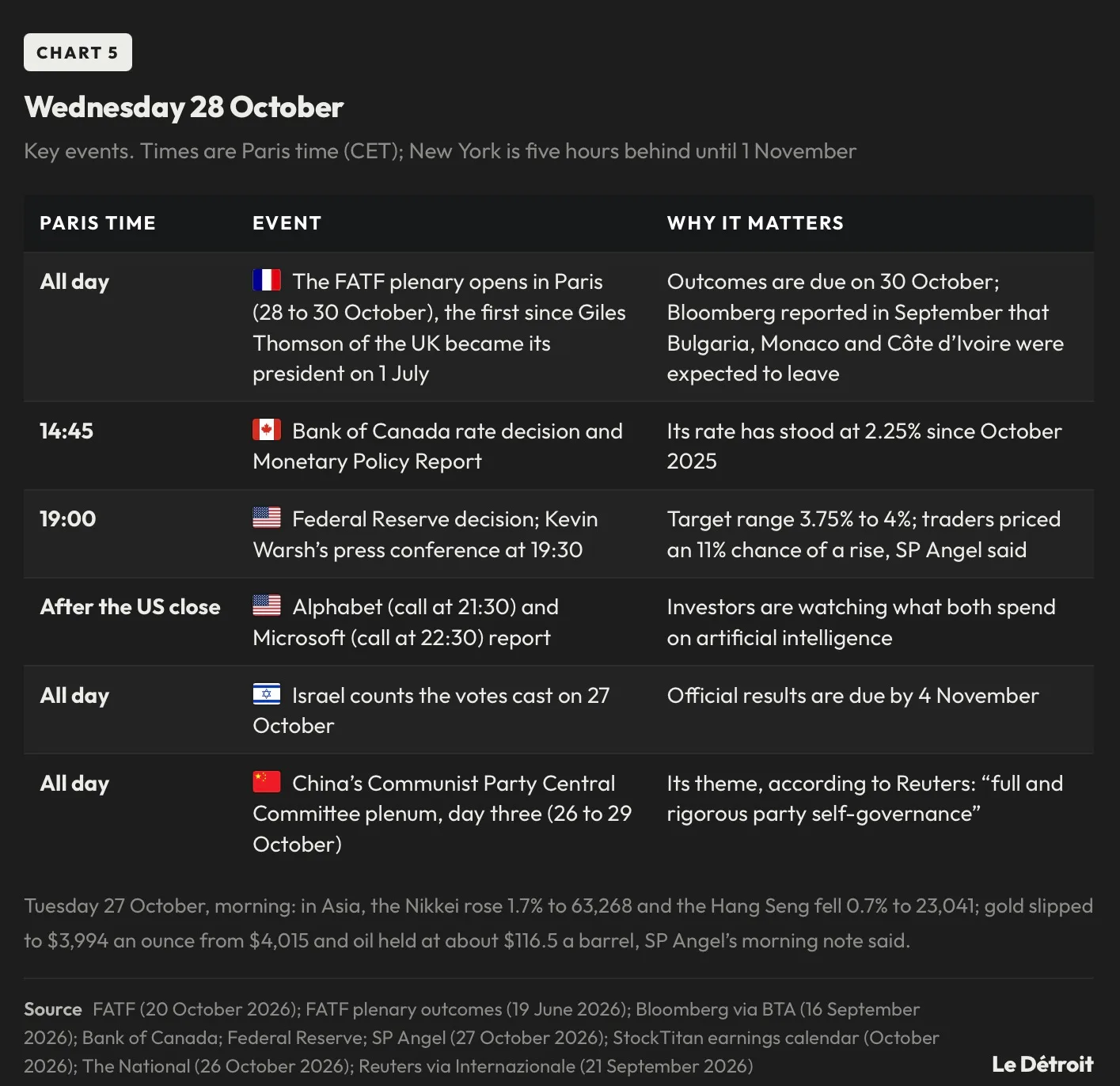
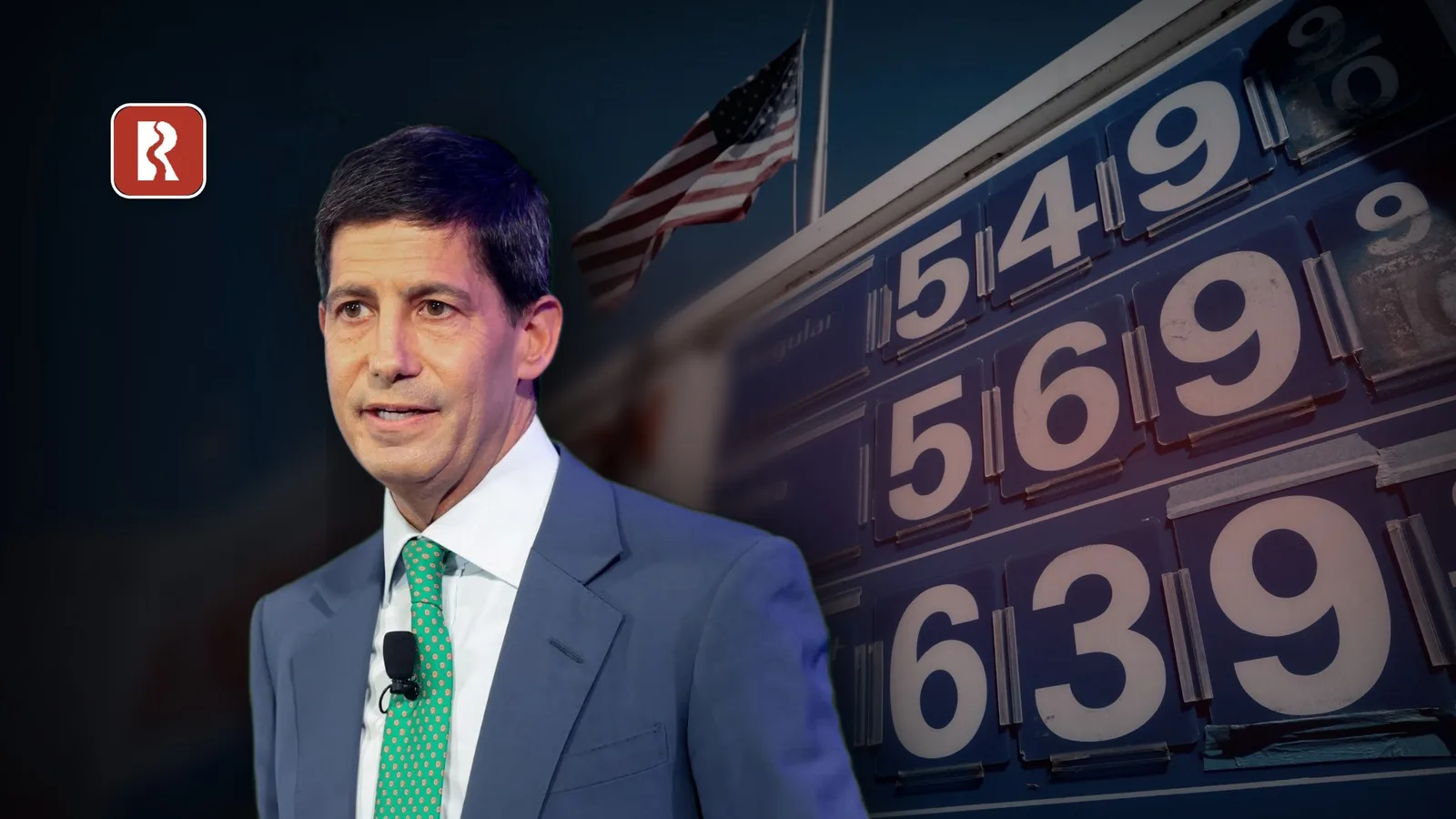
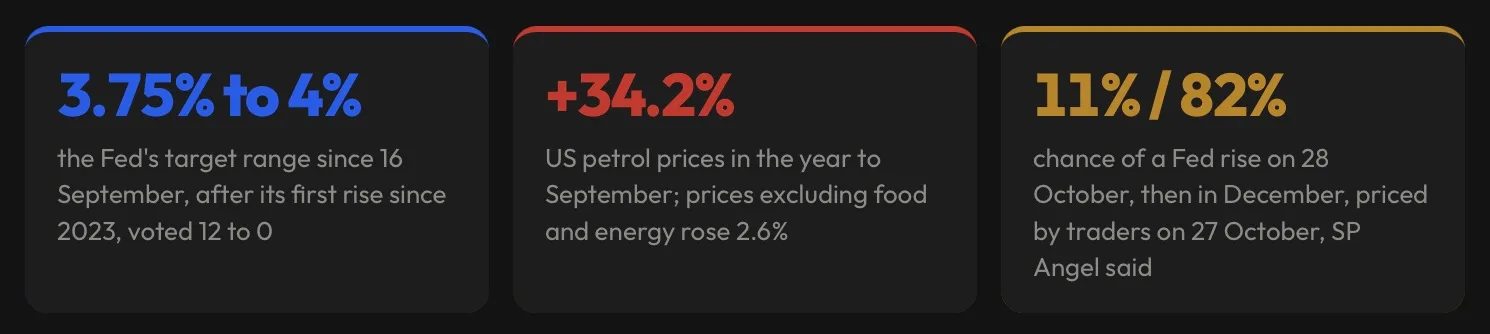
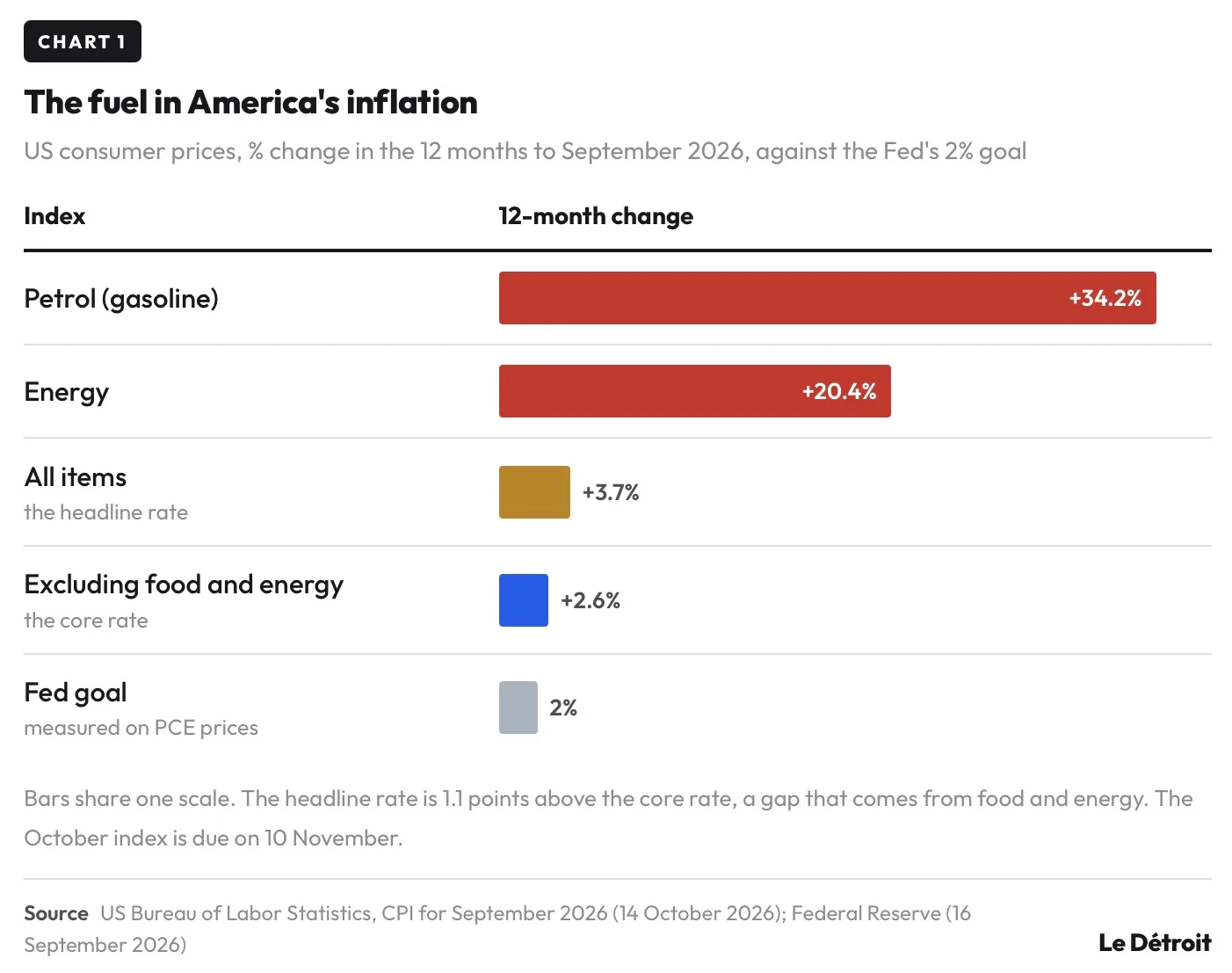
The Federal Reserve's problem on Wednesday 28 October is less an overheating economy than an oil shock. US consumer prices rose 3.7% in the year to September, the Bureau of Labor Statistics said on 14 October, with the energy index up 20.4% and petrol up 34.2%; excluding food and energy, prices rose only 2.6%. The Fed raised its target range by a quarter point to 3.75% to 4% on 16 September, by 12 votes to none, its first rise since 2023. Its chair, Kevin Warsh, has refused to signal what comes next. "I don't prejudge meetings," he said at the IMF and World Bank meetings in Bangkok on 16 October. Traders priced only an 11% chance of a rise on Wednesday but 82% for December, SP Angel's morning note said on 27 October. The decision is due at 19:00 Paris time, with Warsh's press conference at 19:30.
2. Washington says it has kept Hormuz open for 1.5 billion barrels
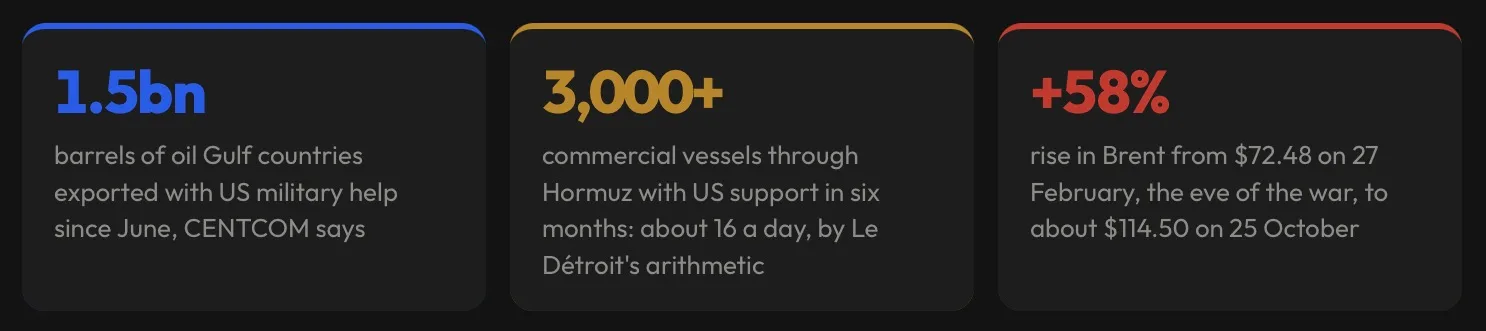
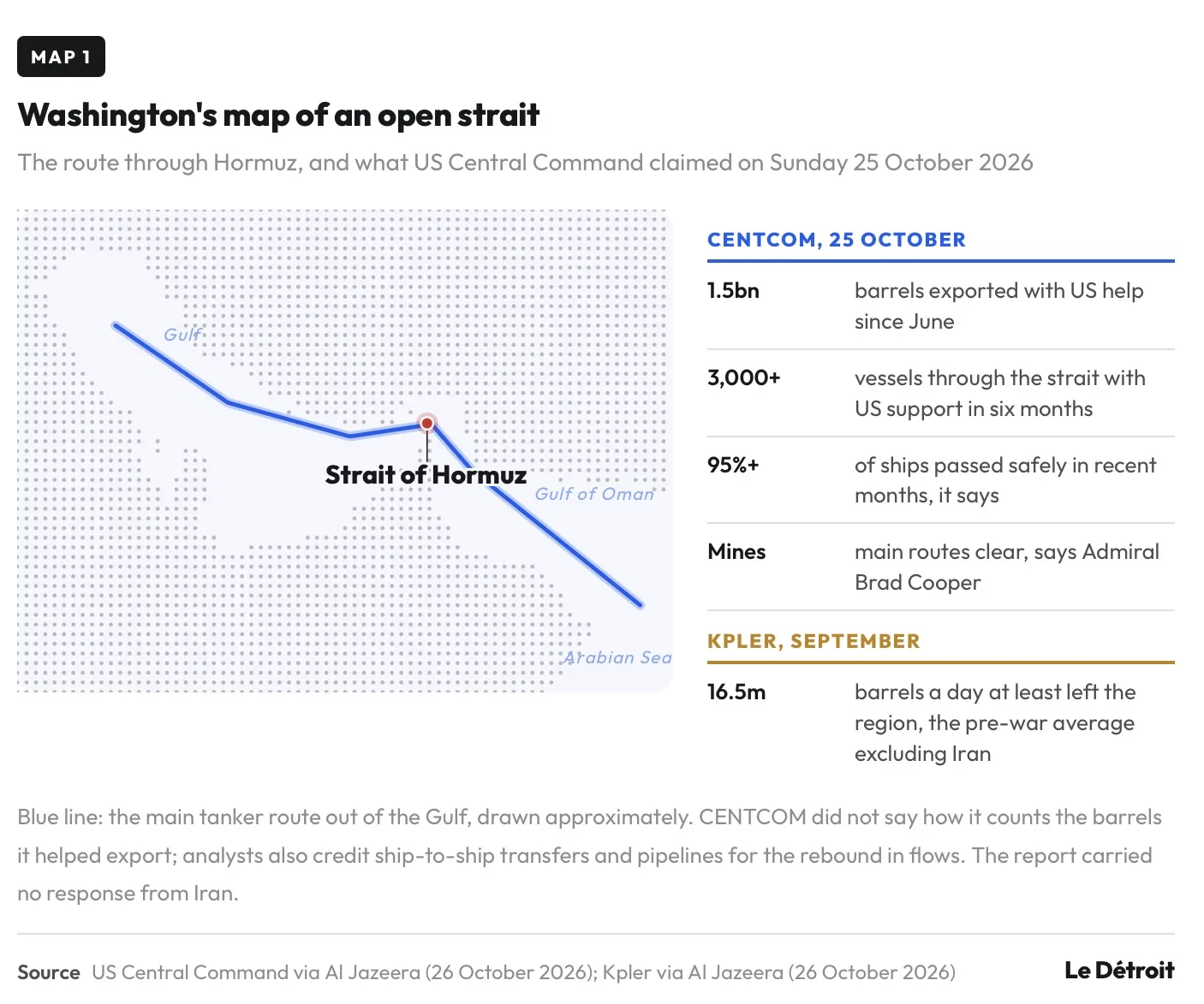
The United States wants markets to believe that the world's most important oil chokepoint is open for business, with its war with Iran unresolved. US Central Command said on Sunday 25 October that American forces had helped Gulf countries export more than 1.5 billion barrels of oil since June, and that more than 3,000 commercial vessels had crossed the Strait of Hormuz with US support in six months. More than 95% of ships passed safely, it said, "clearly demonstrating that the United States and regional partners control the international waterway". By Le Détroit's arithmetic, 1.5 billion barrels since early June means more than 10 million barrels a day. Kpler data show at least 16.5 million barrels a day left the region in September, the pre-war average excluding Iran. Brent, at $72.48 on 27 February, the day before the US and Israeli strikes on Iran began, stood at about $114.50 on 25 October.
3. Romania ties a fire near an arms factory to a Russian sabotage ring
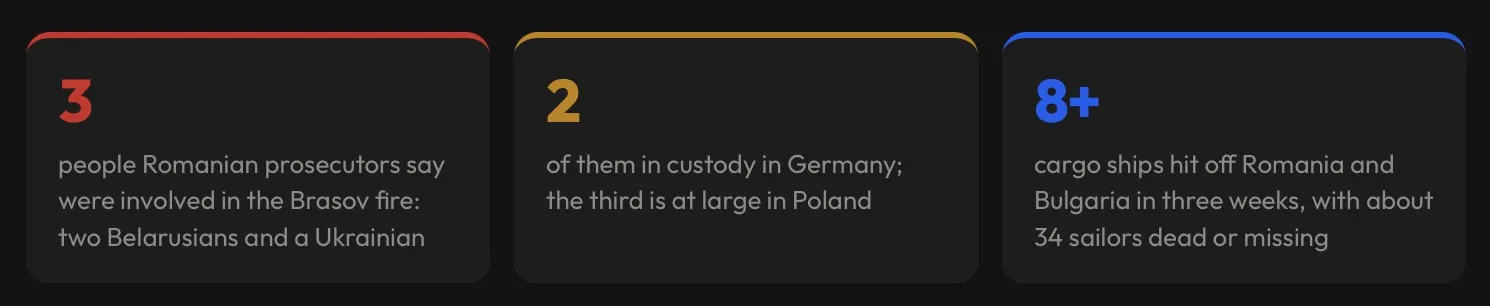
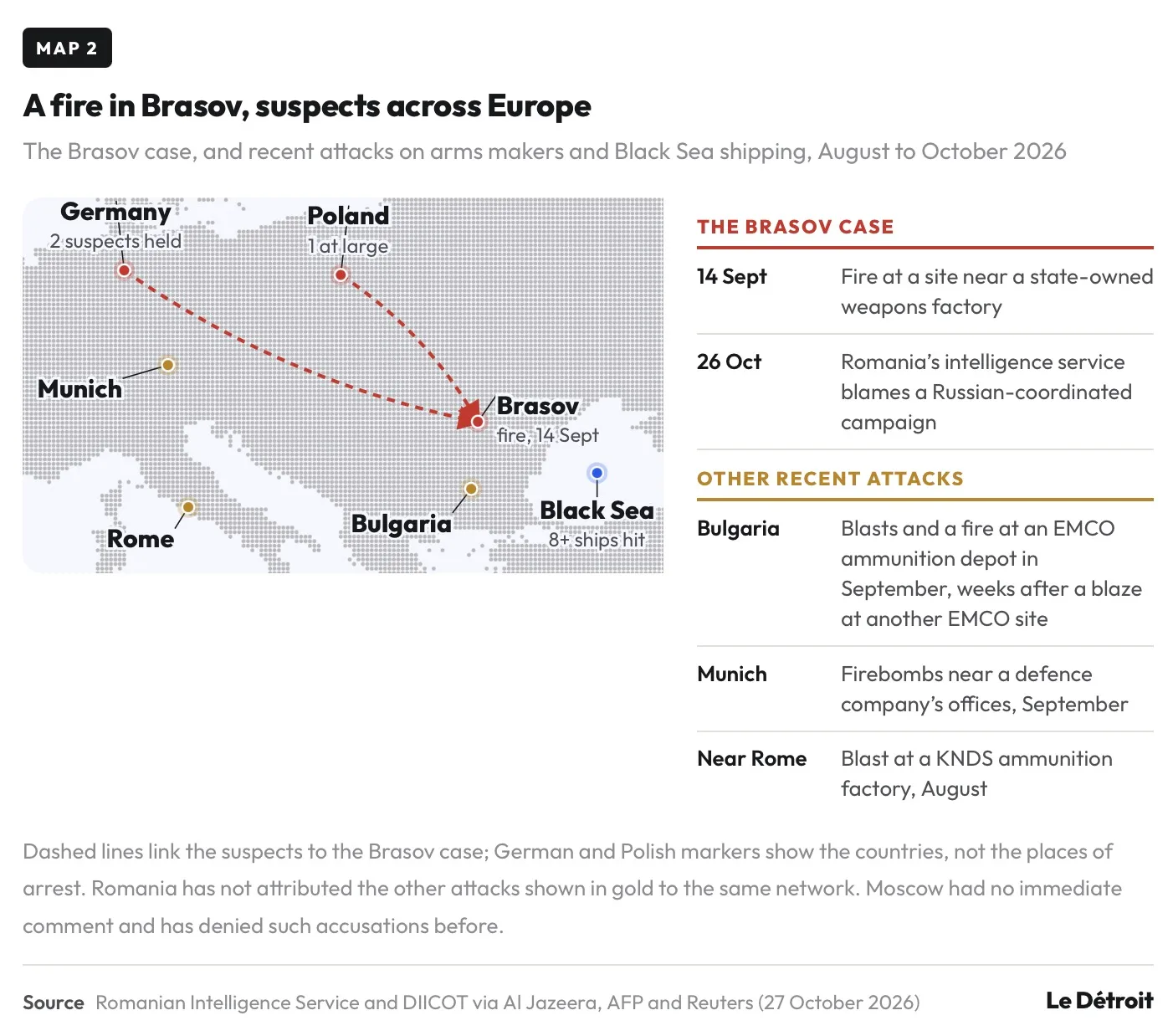
Europe's arms industry has become a target far behind the front line, and Romania says it can now name the saboteurs. On Monday 26 October, its intelligence service said a fire on 14 September at an industrial site near a state-owned weapons factory in Brasov was "part of a wider campaign of sabotage operations coordinated" by Russia against arms makers. DIICOT, the prosecutors' unit for organised crime and terrorism, said three people were involved: two Belarusians and a Ukrainian, all living in the EU. Two are in custody in Germany, where they were preparing similar offences; the third is at large in Poland. Recruits are often found on social media and paid for a "seemingly harmless task", such as photographing a target, before escalating to vandalism, arson or even murder, the service said. Moscow had no immediate comment and has denied such accusations before.
https://x.com/gerashchenko_en/status/2115109111029268875?s=61
4. Russia pauses strikes so that aid can reach one occupied town
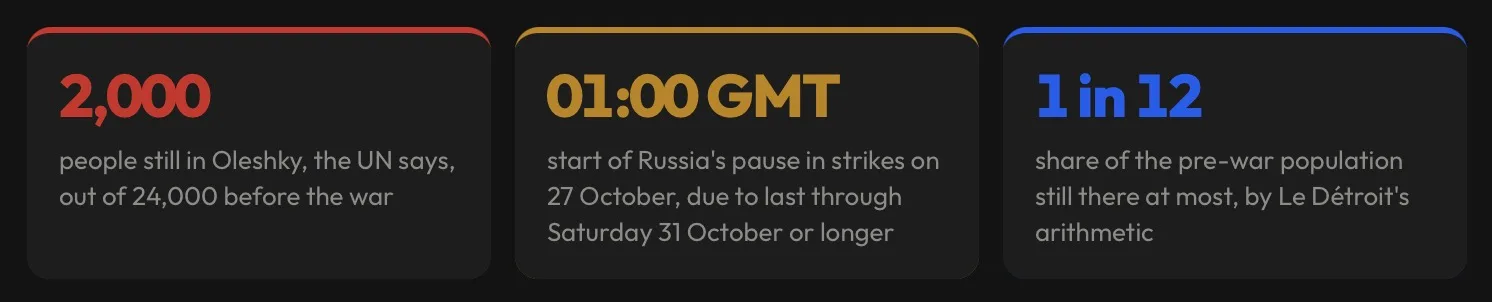
Ukraine has a ceasefire, but only for one town, and it came through an unusual channel. Russia's defence ministry said it suspended strikes in the Kherson region from 01:00 GMT on Tuesday 27 October, so that an aid mission could reach Oleshky, a Russian-occupied town on the eastern bank of the Dnipro. The pause, announced on 23 October, was brokered by the US first lady, Melania Trump, with the involvement of Pope Leo XIV, and is due to last through Saturday 31 October or longer. Doctors, medicines, food and water are to go in first, before evacuation corridors open. Up to 2,000 people remain, the UN says, out of a pre-war population of 24,000: one resident in 12 at most, by Le Détroit's arithmetic. Mines and drones keep them there, "without a guaranteed safe exit route", in the words of Matthias Schmale, the UN's humanitarian coordinator in Ukraine.
5. Jordan strikes Syria after a church massacre, and Damascus shuts the border
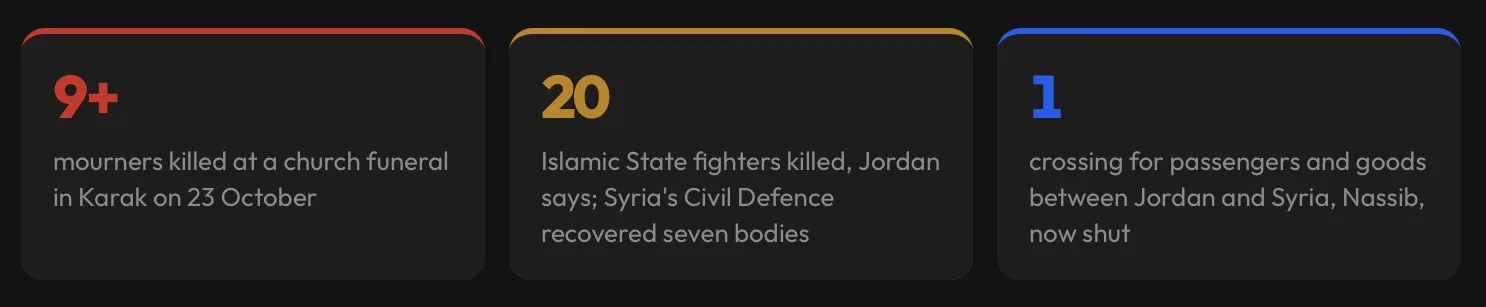
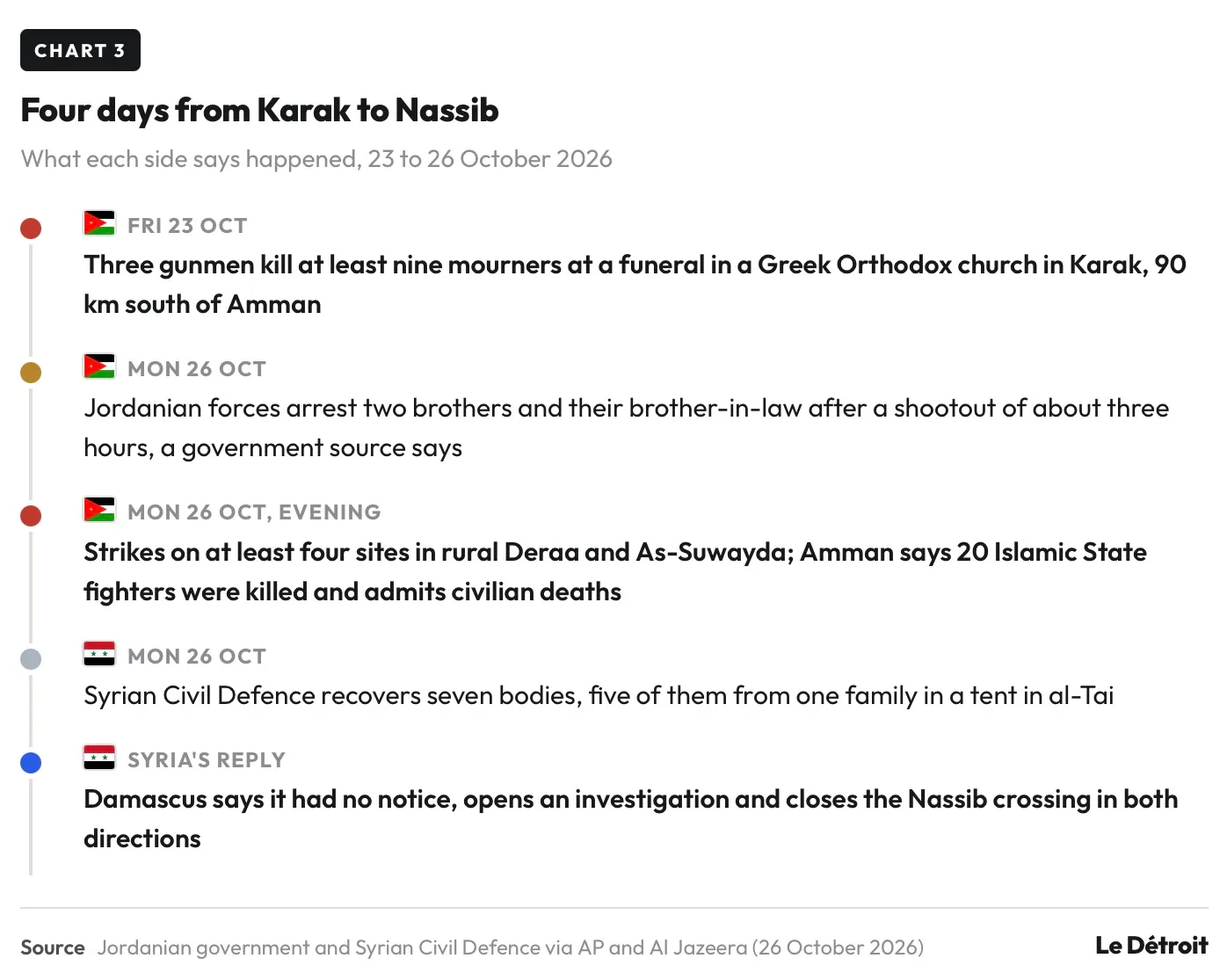
Jordan's answer to a massacre at home has cost it, for now, its only crossing with Syria for people and goods. On the evening of Monday 26 October, Jordan's armed forces struck at least four sites in Syria's Deraa and As-Suwayda provinces, in what Amman called retaliation for the attack on Friday 23 October in which three gunmen killed at least nine mourners at a funeral in a Greek Orthodox church in Karak. Government spokesman Mohammad al-Momani said the strikes killed 20 Islamic State fighters, and acknowledged that some civilians died. Syria's Civil Defence recovered seven bodies, five of them from one family in a tent. Jordan said it acted in coordination with Damascus; the Syrian government said it had no notice, a foreign ministry official called the strikes a "treacherous attack", and Syria closed the Nassib crossing in both directions.
https://x.com/reuters/status/2114884866302955583?s=61
6. A UN inquiry accuses Israel of crimes against humanity in the West Bank
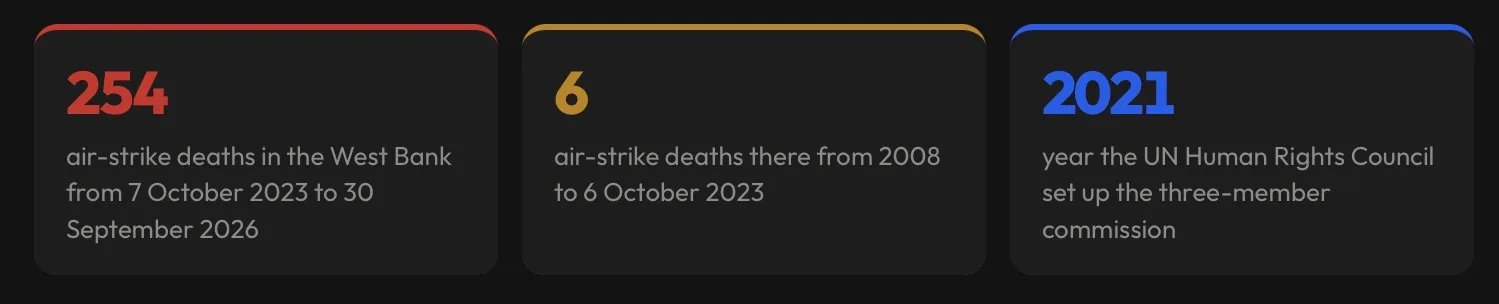
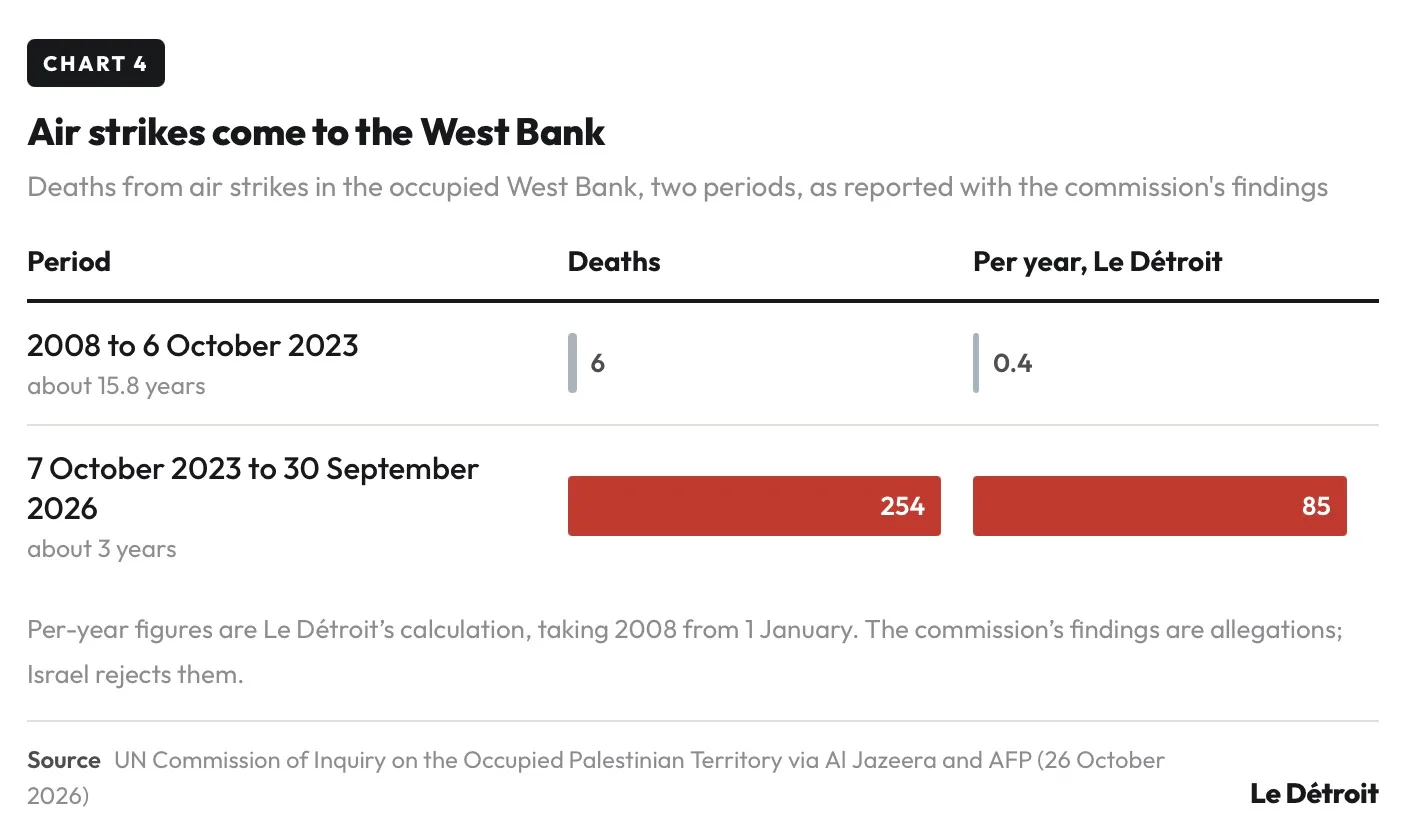
A UN inquiry that already accuses Israel of genocide in Gaza now accuses it of crimes against humanity in the West Bank. On 26 October, the Independent International Commission of Inquiry on the Occupied Palestinian Territory said Israeli authorities and forces had committed extermination, torture, rape and other sexual violence, and persecution, in a "widespread and systematic attack" on civilians since 7 October 2023. Its chair, Srinivasan Muralidhar, described a "broader strategy to exterminate and displace Palestinians". Air strikes killed 254 people in the West Bank between 7 October 2023 and 30 September 2026, against six from 2008 to 6 October 2023, according to figures reported with the findings; by Le Détroit's arithmetic, 42 times as many in a fifth of the time. Israel's mission in Geneva called the report a "misinformation campaign to demonize the State of Israel" and urged the commission's dissolution. The commission does not speak for the UN as a whole.
Wednesday and the week ahead