
What happened
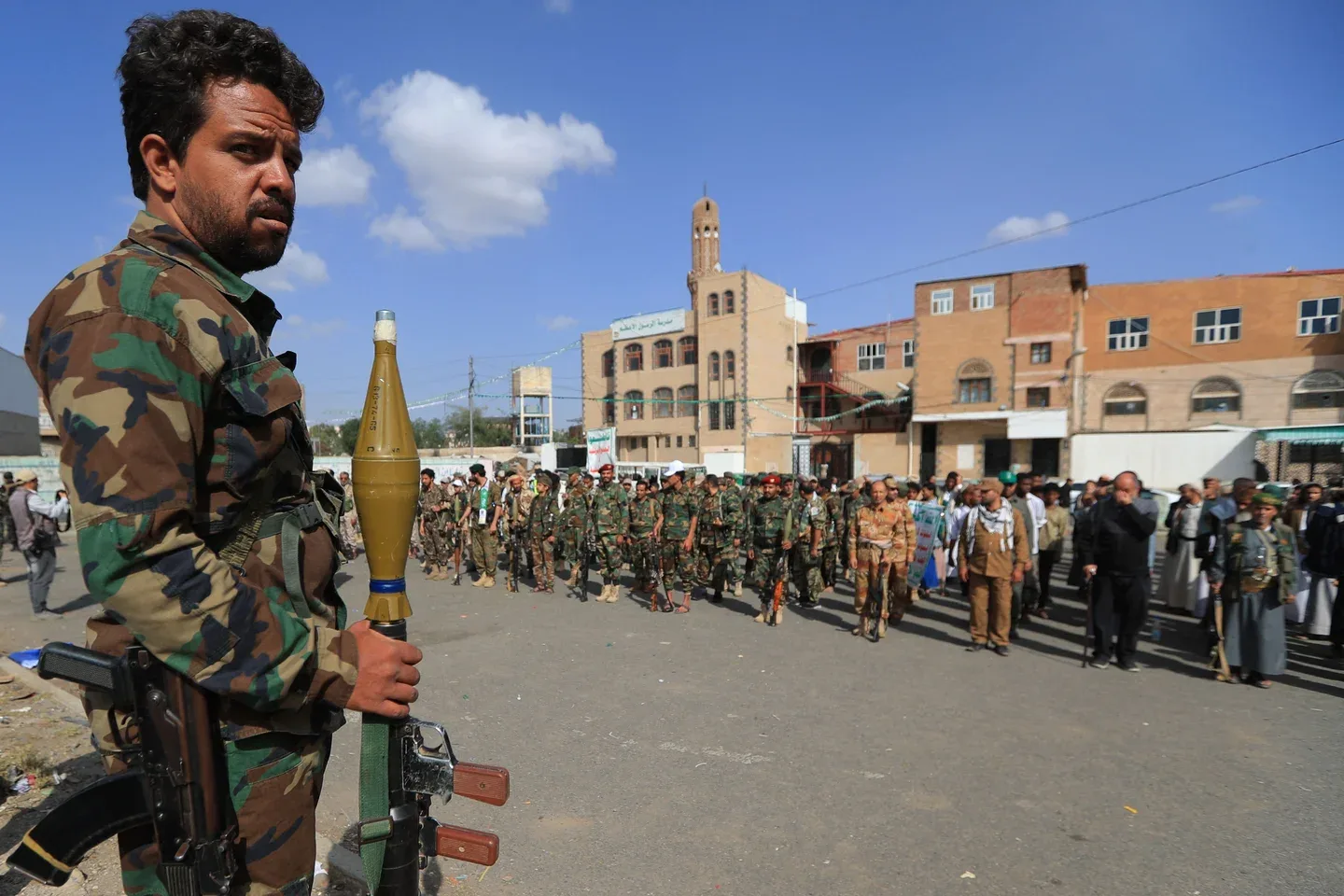
According to The Hormuz Letter on X citing Reuters, US officials met representatives of Yemen's Houthi movement at the US Embassy in Muscat on Sunday. The account says President Donald Trump agreed not to strike Houthi-held territory or to back Saudi Arabia and Saudi-aligned forces, in return for the Houthis keeping the Bab el-Mandeb strait open to shipping, with the exception of Saudi vessels.
The post states the Houthi delegation told US officials it had no intention of attacking American ships, would honour the 2025 ceasefire, and would not target Israeli or commercial vessels except those belonging to Saudi Arabia. The delegation reportedly included Mohammad Abdulsalam, who is under US sanctions.
The meeting is said to have been arranged with Oman's help and kept private, coming days after the Houthis routed Saudi-backed forces and seized the Red Sea coast, and after Trump reportedly rejected requests from Saudi Crown Prince Mohammed bin Salman for US strikes.
The context
The Bab el-Mandeb, at the southern end of the Red Sea, is a chokepoint for traffic heading to and from the Suez Canal. Houthi attacks on shipping since late 2023 have forced many operators to reroute around southern Africa, lengthening voyages and raising freight costs.
The Houthis have been designated a terrorist organisation by the United States since March 2025, according to the post. A ceasefire referenced in the reported talks dates from the same year.
Why it matters
A US understanding that keeps the strait open, if accurate, would ease one of the main risks to global trade routes running through the Red Sea and Suez. Carrying an explicit exception for Saudi vessels, however, it would deepen the rift between Washington and Riyadh over how to handle the Houthis.
Engaging directly with a US-sanctioned, terrorist-designated group would also mark a departure in American policy, with implications for relations across the Gulf and for Israel, named in the reported assurances.
What to watch
Official confirmation from the White House, the State Department or Reuters itself is the immediate signal to watch, given the claims currently rest on a single social media post.
Beyond that: whether shipping insurers and carriers adjust risk premiums and routing, any Saudi response, and whether Houthi conduct in the strait matches the reported assurances.