
1. The facts
Bloomberg reported Friday that Aramco told at least two European refining customers they would receive no crude next month, citing people familiar with the decision who said it applies to all European buyers. Other reporting puts the figure at three European operators cut to zero and a fourth granted only a partial allocation. Aramco has not commented, and it is not yet clear whether force majeure has been invoked.
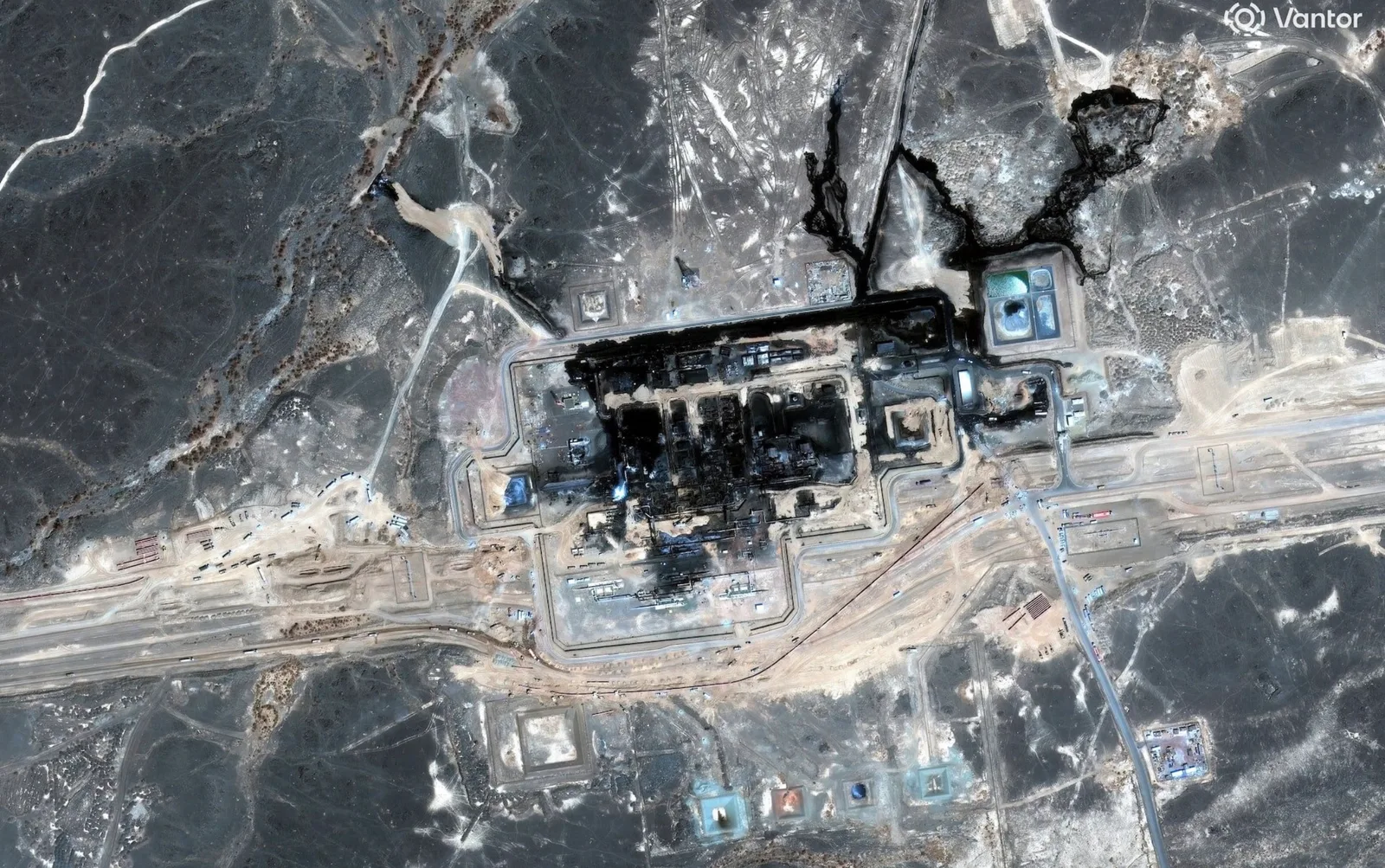
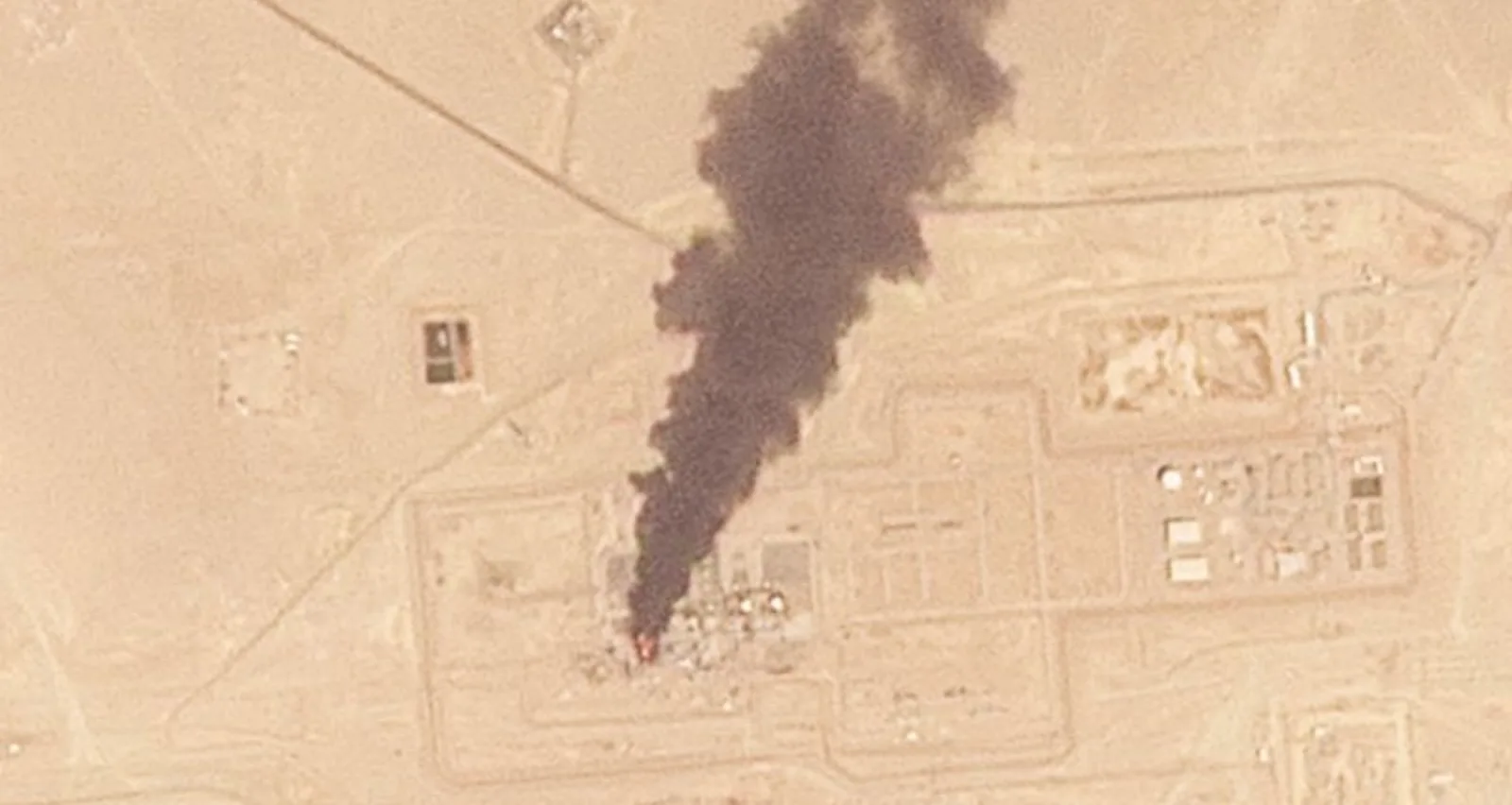
The cause is the East-West pipeline, offline since a drone attack on 10 September 2026 that damaged three pumping stations and halted loadings at the Red Sea port of Yanbu. No crude has left Yanbu since 11 September, and by mid-month the terminal was reported down to roughly five days of inventory.
Attribution is not settled. Several outlets attribute the strike to the Houthis, while Saudi Arabia's foreign ministry said the drones had been launched from Iraq.
European term volumes are usually around 680,000 barrels per day. That is a structural gap, not a rounding error.
2. Why it matters: a routing crisis, not a production cut
Saudi Arabia is still pumping. The problem is geography.
European refiners normally lift Saudi crude that moves west across the kingdom to Yanbu, then north through Egypt's SUMED system to Sidi Kerir on the Mediterranean. That path kept them out of the Strait of Hormuz. That path is closed.
Aramco has found a workaround, and Europe is not part of it. Exports have been ramped up from Ras Tanura, inside the Gulf, with roughly 60 million barrels sold for ship-to-ship transfer at the Omani port of Sohar this month and next, lifting Gulf exports to between 1 and 1.5 million barrels a day. Asia gets the detour barrels. Europe gets a zero.
The deeper point is the one Paris made this week. The East-West line was the kingdom's only overland route capable of moving crude to the Red Sea while bypassing Hormuz entirely, with a capacity of roughly 7 million barrels per day. Its shutdown removes a redundancy layer from global supply: any further Hormuz or Red Sea disruption can no longer be absorbed by shifting volumes overland.
With Hormuz already constrained, Europe has just lost its shock absorber.
Context makes it worse. Saudi output fell to 6.2 million barrels a day in August, against 10.9 million in February before the war, and Europe has leaned harder on alternative suppliers since cutting Russian crude.
3. What to watch
The repair clock. One source told Reuters the line should partially restart within days and be fully operational within six weeks. Other estimates put repairs at three to five weeks with only partial flows in the interim. Aramco's silence on a public timetable is itself a signal.
Force majeure. Whether Aramco invokes the clause determines who absorbs the cost of the cancelled contractual barrels.
The substitution trade. Johan Sverdrup, Europe's largest domestic medium sour grade and the direct functional substitute for Arab Light, hit a record premium of 24.05 dollars a barrel over North Sea Dated. Orlen is already buying spot. That premium is the live gauge of how bad this gets.
The pump price. Everything above lands on diesel and jet fuel before it lands on crude headlines. That is where European voters will read the result.