
What happened
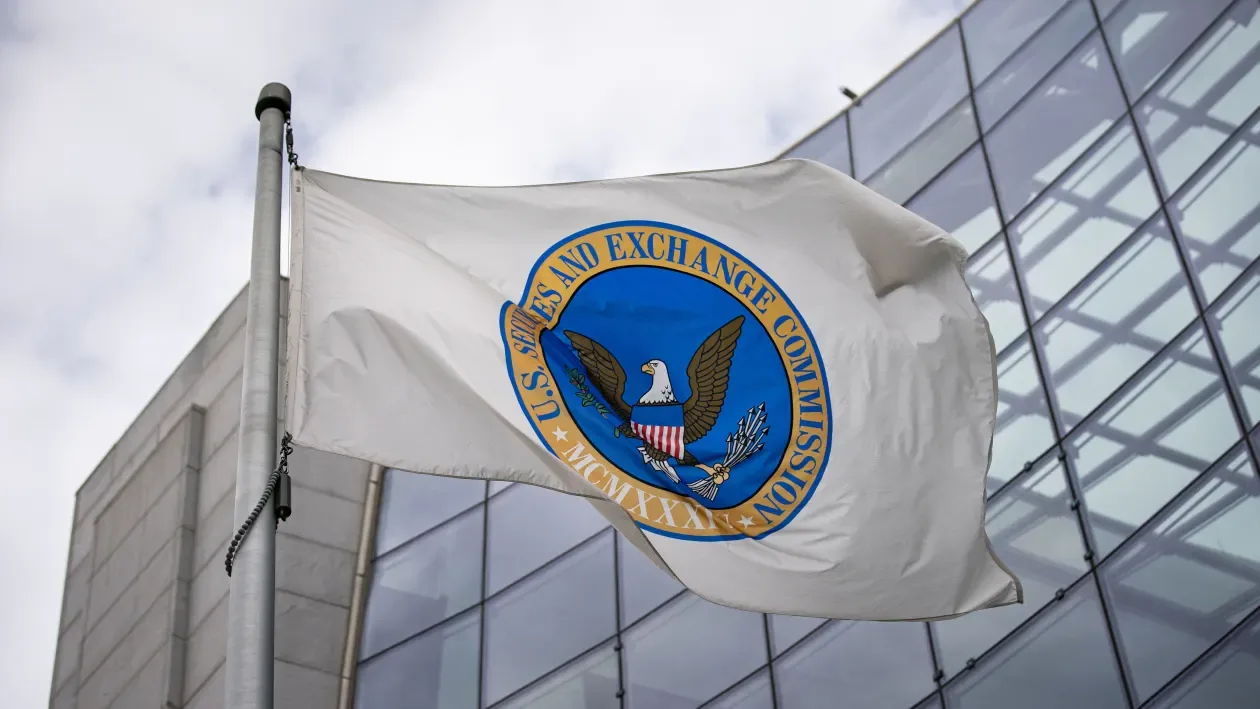
The US Securities and Exchange Commission (SEC) on Thursday introduced a five-year exemption allowing companies to offer trading in tokenized stocks, digital tokens that represent a share and can be traded on a blockchain like a cryptocurrency. Platforms facilitating such trades will be relieved from many of the rules applying to established exchanges such as Nasdaq and the New York Stock Exchange (NYSE), while liquidity providers gain a five-year exemption from dealer registration requirements.
The regime comes with conditions. Platforms must notify companies before listing tokenized versions of their stock, and would be barred from offering those products if the issuer objects, according to an SEC official. "Synthetic" tokens that offer exposure to a stock via a derivative or other product would not be permitted. Under the exemption, tokenized stocks must carry the same rights and privileges as traditional securities, including dividends and voting rights.
SEC Chair Paul Atkins said the measure "is designed to resolve challenges that have prevented responsible innovation from taking root in the United States while providing investor protections and market integrity standards" (translated from the statement as issued in English).
The context
The exemption arrives days after the US Senate failed to advance comprehensive cryptocurrency legislation backed by Trump, a setback for digital asset companies and the Republicans who had championed the bill. It also forms part of a broader SEC policy shift under Trump, who courted crypto donors during his campaign by pledging to end what the industry viewed as a Democratic crackdown, and who has profited from his own crypto ventures. In August, the SEC proposed exempting certain crypto companies and offerings from securities rules to make it easier for them to issue tokens and raise money.
Several crypto firms already offer tokenized stocks abroad, including Robinhood and Kraken, while Coinbase and others have signalled plans to launch such products in the United States once rules allow. The SEC said the exemption is necessary because platforms offering tokenized stocks may face substantial challenges complying with federal securities laws "without potentially burdensome changes" to their business models.
The agency noted a caveat about existing overseas products: although many are marketed like stocks, they rarely offer the same rights, disclosures and protections as traditional equities. Most tokenized shares abroad are pegged to public companies and issued by third parties, rather than by the issuers themselves.
Why it matters
The crypto industry argues that tokenizing securities could allow shares to trade around the clock and settle instantly, boosting liquidity and cutting transaction costs. The SEC said tokenized stocks could also enable investor self-custody, fractional ownership and greater transparency.
Over the longer term, analysts and attorneys cited by Reuters said the exemption could pave the way for structural changes to equities markets, bringing crypto platforms into direct competition with traditional brokerages such as Morgan Stanley's E*Trade and Charles Schwab. By insisting that tokenized stocks confer the same rights as ordinary shares and by barring synthetic derivatives-based products, the SEC is attempting to draw a line between genuine tokenized equity and the looser instruments already circulating overseas.
The move also underlines how far US regulatory posture has turned. Having pursued enforcement against crypto firms under the previous administration, the SEC is now building carve-outs intended to draw digital-asset activity onshore, partly compensating for stalled legislation on Capitol Hill.
What to watch
The immediate signal will be which platforms move first. Coinbase and other exchanges have indicated they intend to launch tokenized stocks domestically once permitted, so the pace and scale of US listings will test demand.
Watch how incumbent brokerages and exchanges respond to competition from crypto entrants, and whether issuers exercise their right to object to having their shares tokenized. The interaction between the exemption and any renewed attempt to pass Trump-backed crypto legislation in the Senate will also shape the durability of the framework beyond its five-year window.