
What happened
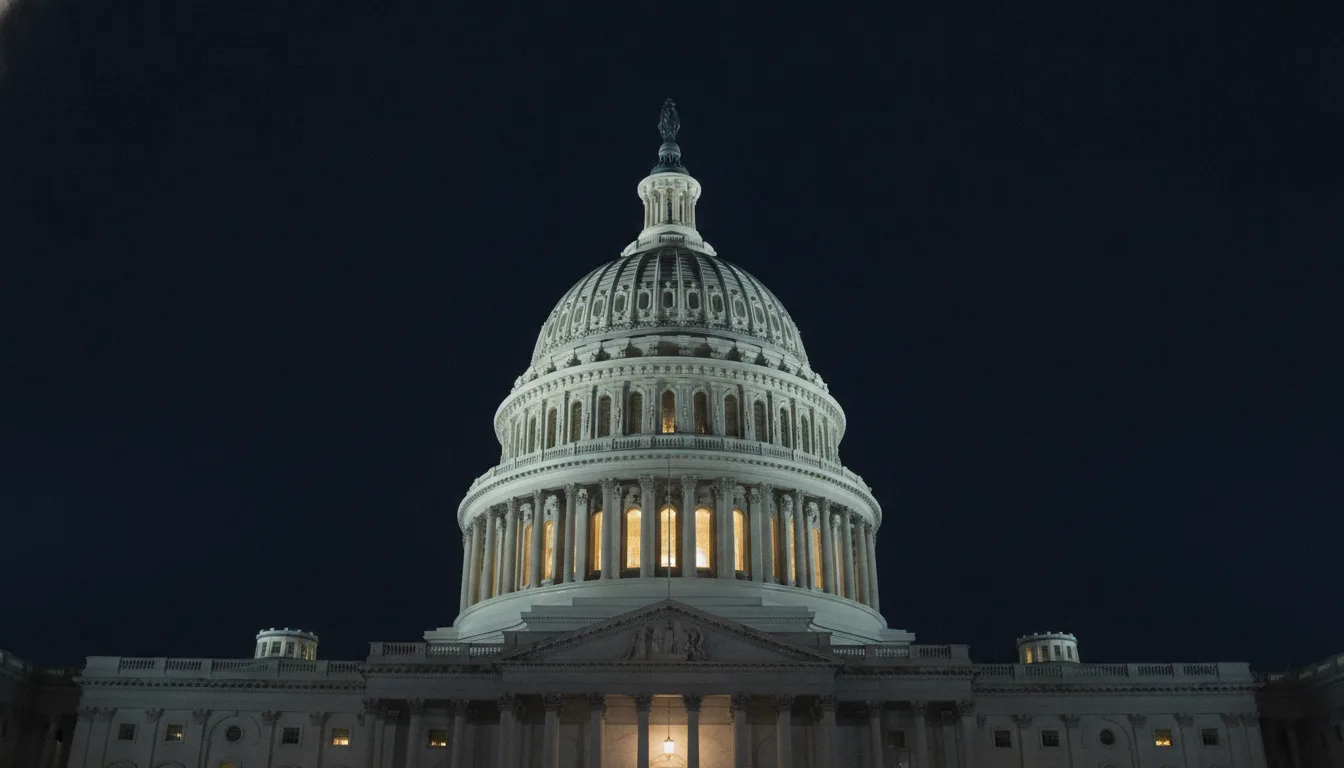
The US House passed the Lindsey O. Graham Sanctioning Russia and Iran Act of 2026 on Wednesday 16 September by 262 votes to 159, sending it to President Donald Trump, who a White House official said intends to sign it into law. The Senate had already cleared the measure 86 to 11 in August.
The legislation would allow the president to impose tariffs of up to 100% on countries among the top five purchasers of Russian crude oil or gas, including China and India. It would also place sanctions on Russian officials, banks and a shadow fleet of tankers used to keep Russian energy moving, and expand sanctions on Iran.
Fifty-eight Democrats broke with their party's leadership to back the bill. House Democratic Leader Hakeem Jeffries opposed it, saying: "The manner in which this bill has been written doesn't require the president of the United States to impose sanctions on Russia. In fact, there are so many loopholes written into the bill, I believe, that it's very unlikely that the sanctions relief contemplated in the legislation will ever see the light of day."
The context
The bill was introduced nearly a year and a half ago by the late Republican Senator Lindsey Graham of South Carolina, who died suddenly in July and after whom the measure was renamed. Graham had helped negotiate Trump's support for it, and Democratic Senator Richard Blumenthal of Connecticut co-authored it.
Its passage marks the first time in more than two years that Congress has approved legislation supporting Ukraine. Ukrainian President Volodymyr Zelenskyy had pushed for the vote, appealing directly to senators before their August vote.
Opponents focused on the tariff powers rather than the goal. Representatives Gregory Meeks, Don Beyer and Richard Neal said in a joint statement that the bill would "do more harm than good", arguing it would "dramatically expand presidential tariff authorities while failing to mandate sanctions on Russia", raising US prices and undermining long-term support for Ukraine.
Why it matters
The tariff provisions give the White House a lever over the buyers that sustain Russian energy revenues. Oil and gas sales are central to funding Moscow's war effort, and targeting the top purchasers, principally China and India, extends the pressure beyond Russia's own economy.
The measure hands Trump broad discretion rather than binding mandates, a design that supporters say is a diplomatic tool and critics warn could be used against allies or left unused. House Speaker Mike Johnson said the bill places "maximum pressure" on the Russian war machine, while McCaul said it would force Putin to the negotiating table.
What to watch
The immediate signal is Trump's signature, which the White House has indicated is coming, and then whether and how the administration uses its new tariff and sanctions authorities given they are permissive rather than mandatory.
Diplomatically, attention turns to efforts to arrange a Zelenskyy-Trump meeting at the United Nations next week, and to any Russian response. The debate over how the tariff powers are applied to countries such as China and India will be the key measure of the law's practical effect.