1. A container ship sinks in the Strait of Hormuz
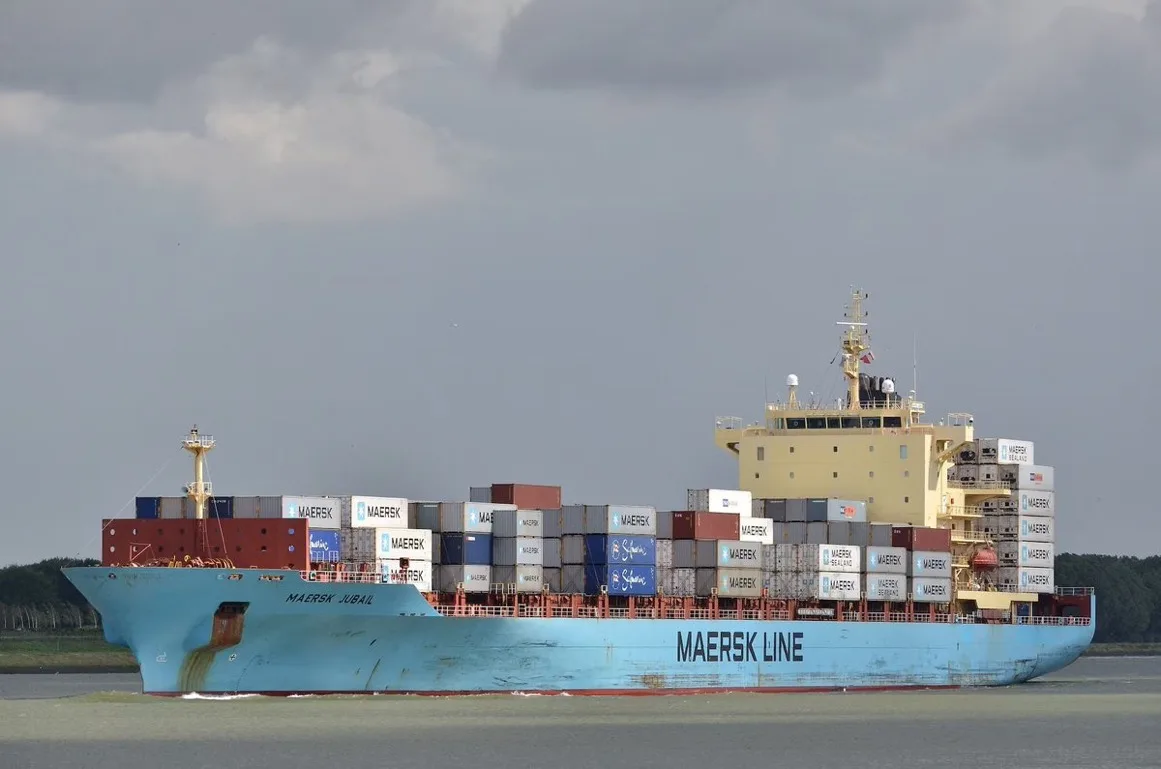
The war around Iran has claimed another merchant ship. The GFS Pride, a Singapore-flagged container ship of 2,824 TEU, was struck by an unknown projectile in the Strait of Hormuz on 13 October, caught fire and sank, Singapore's Maritime and Port Authority said. All 21 crew were evacuated without injury. A day later, a second GFS vessel, the GFS Giselle, was also hit and suffered hull damage, but reached a safe anchorage with its 22 crew. Both sail for Global Feeder Shipping, 81% owned by Abu Dhabi's AD Ports, according to The Loadstar. Iran's Revolutionary Guards said a container ship had hit a mine on an "unauthorised and dangerous" route; this has not been independently confirmed. Singapore called the attacks "unprovoked, unjustifiable, and a breach of international law". It is only the second ship lost since the war began on 28 February, after the bulk carrier Cape Dao, torpedoed on 23 September, which sank in the Gulf of Oman this week.
https://x.com/bbcworld/status/2110394383962874359?s=61
2. Ukraine ends the energy truce
Three days after pausing its drone strikes on Russian refineries at Washington's request, Ukraine says it is resuming them. "The block is out. We're done," Volodymyr Zelensky told the Financial Times on Thursday. He accuses Moscow of continuing to hit Ukraine's grid during the "energy ceasefire" announced by Donald Trump on 11 October: overnight on 13 to 14 October, Russian missiles hit all three of Kyiv's combined heat and power plants, and Zelensky said about 600,000 people were left without power after the attack, according to the Kyiv Independent. Overnight, drones set fire to a Rosneft refinery in Ryazan, the regional governor said. The plant supplies Moscow and accounts for about 5% of Russia's refining capacity. Zelensky says more US-made Patriot interceptors are the "minimum" for any new truce. The Kremlin says it never saw Kyiv comply.
3. Washington hits Iran's shadow banks, and an Iraqi bank
The US Treasury on Thursday targeted the financial networks that keep Iran connected to the dollar, under what it calls Operation Economic Outcast. The main target is Iraq's International Development Bank for Investment and Finance, which Treasury says gives Iran access to US dollars, has ties to Iran-aligned militias and sends its profits back to Iran in dollars every month. Two Iranian offshore banks, four exchange houses and a Hong Kong firm used to move funds were also designated, along with a Dubai-based oil intermediary. According to Treasury, one of the exchange houses alone handled transactions worth hundreds of millions of dollars. The State Department separately designated a Cuban bank, Banco Internacional de Comercio, which it says has served Iran's Karafarin Bank since at least 2022. "The noose is tightening around Iran's economy, and not even Iran's so-called allies can save it," said Treasury Secretary Scott Bessent.
https://x.com/ustreasury/status/2110805296662614448?s=61
4. Europe targets Russia's sanctions middlemen
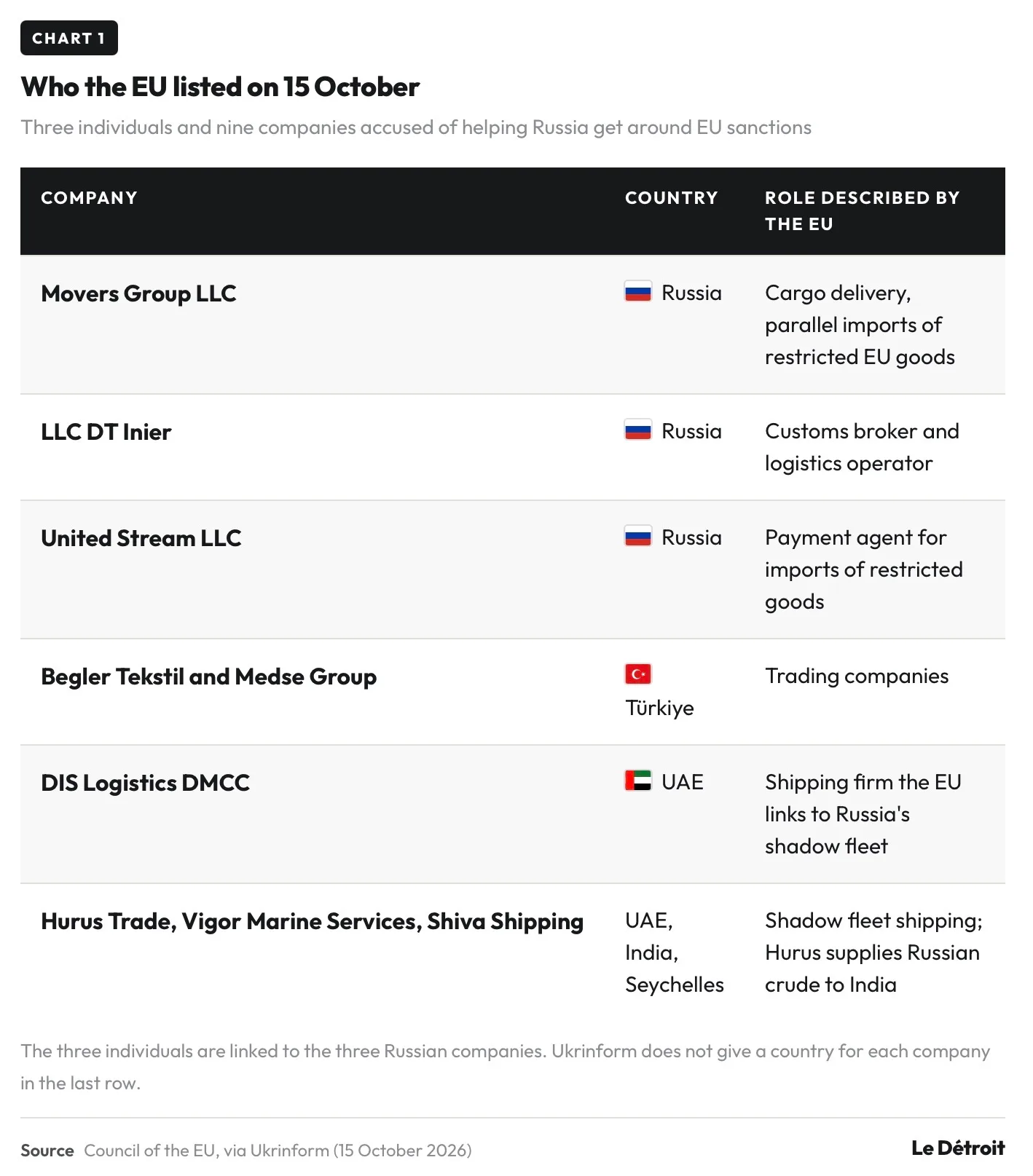
The EU on Thursday added three individuals and nine companies to its sanctions list for helping Russia import banned goods and get around restrictions on oil and financial transactions. The targets are not arms makers or banks, but the plumbing of sanctions evasion: a Russian freight company specialised in "parallel imports", a customs broker, a payment agent, two trading companies in Türkiye, a UAE firm supplying Russian crude to India, and shipping companies the EU links to Russia's "shadow fleet". "Circumventing EU sanctions is akin to aiding and abetting Russia's illegal war of aggression," said Kaja Kallas, the EU's foreign policy chief. The listings come days after the Council adopted measures against 1,569 individuals and entities in Russia's military-industrial complex, its largest package of listings.
5. Tether paid a firm co-owned by a White House crypto official
While Bo Hines led the White House crypto council and worked on the stablecoin law, a consulting firm he co-owned was being paid by Tether, the issuer of the world's largest stablecoin, according to a Wall Street Journal investigation published on Thursday. The firm, Nxum, founded with his father, earned $6.3 million for a "strategic brand and public affairs plan" for Tether, with a first payment of about $2.49 million in May 2025 routed through an intermediary, according to Protos's account of the report. The WSJ says Hines kept exchanging Signal messages with Nxum partners and shared updates on the GENIUS Act, signed in July 2025. He left government in August 2025 and now runs USAT, Tether's US stablecoin. Nxum says Hines "did not receive any Tether-derived funds during that period". Tether did not immediately respond to Protos.
6. Africa grows faster, but inflation is back
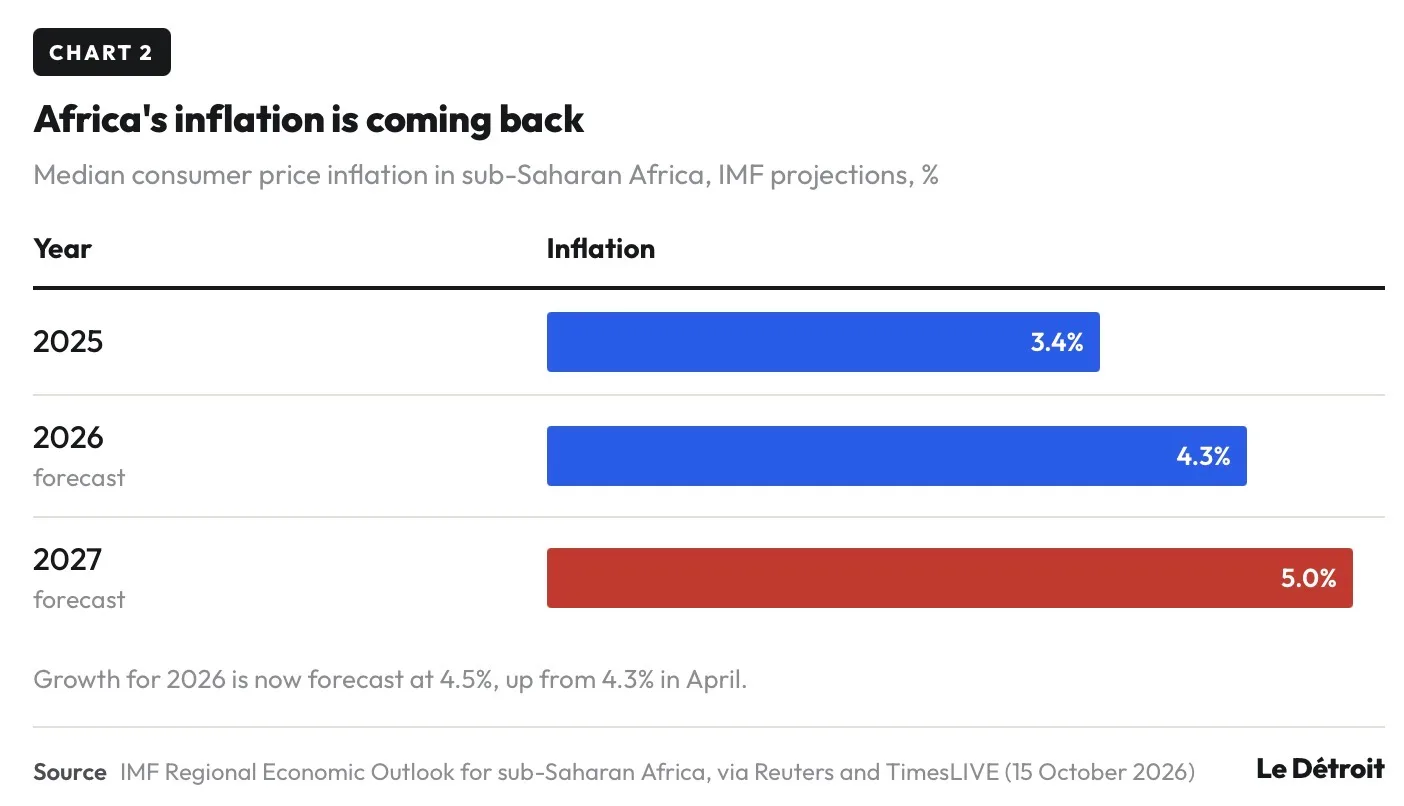
The IMF raised its growth forecast for sub-Saharan Africa to 4.5% this year, from 4.3% in April, but warned that inflation is returning. Median inflation in the region should rise from 3.4% in 2025 to 4.3% in 2026 and 5% in 2027, and the Fund now says monetary tightening "may be needed" in most countries, according to Reuters. Bilateral aid is expected to fall by 12% in 2026, after a drop of about a quarter in 2025, and an El Niño episode could cut growth by half a point and add 2.6 points to inflation in 2027. With per-capita growth this weak, "it would take the region nearly 50 years to double its income," said Zeine Zeidane, director of the IMF's African department. "Things could get worse than what we have in the outlook."