
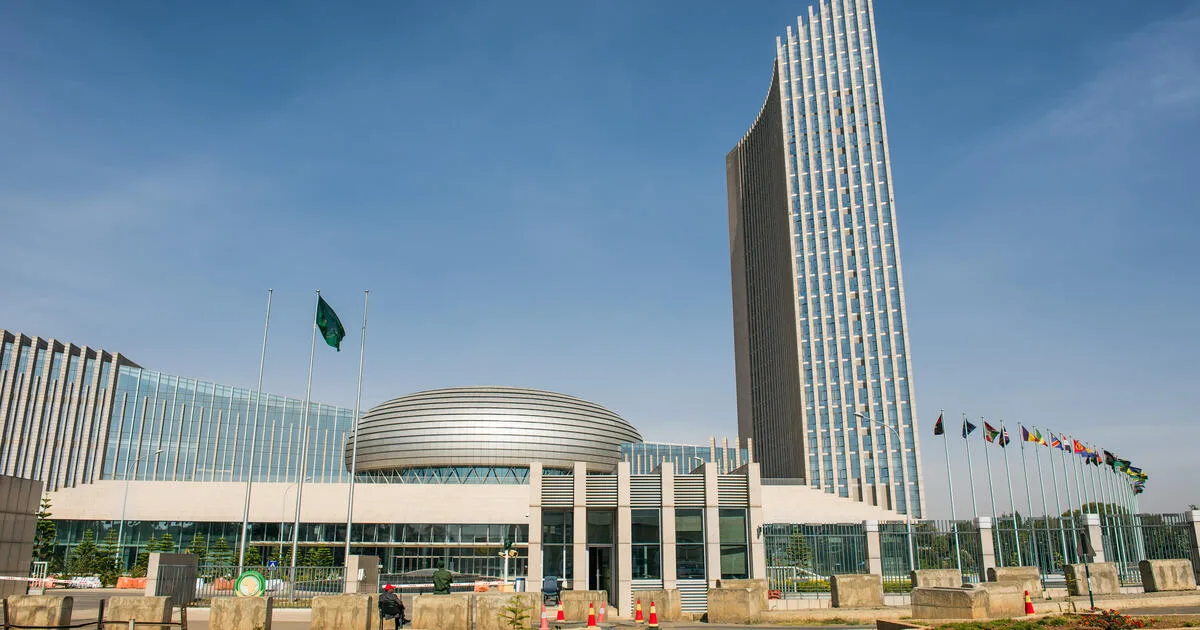
1. Africa wants to grade its own debt
The African Union launched the Africa Credit Rating Agency (AfCRA) on Wednesday in Port Louis, Mauritius, where it will be based. The agency will rate governments, regional authorities and companies, with a focus on local-currency debt. It is designed to complement Moody's, S&P and Fitch, which African leaders accuse of overstating risk. The agency is private and self-funded, and governments cannot own shares. Its stakes are high: Africa's external debt service rose from $61 billion in 2010 to $163 billion in 2024, and a 2023 UNDP study estimated that fairer ratings could save the continent up to $74.5 billion. No date has been set for its first ratings, and the agency has yet to build a track record with investors.
https://x.com/_africanunion/status/2107387890208542735?s=61
2. Brussels readies its largest-ever sanctions list
EU ambassadors agreed on Wednesday to add 1,646 names to the Russia sanctions list: 743 individuals, 826 entities and 77 lawmakers elected in the Russian-occupied regions of Ukraine. Euronews calls it the single largest expansion of the list. Foreign ministers are due to give formal approval on Monday in Luxembourg, after which the names will be published. The list will then cover almost 4,650 names. The agreement comes shortly after the EU removed oligarchs Alisher Usmanov and Mikhail Fridman from the list. EU foreign policy chief Kaja Kallas said she did not see them being relisted "any time soon".
3. The Fed is not done
Minutes of the Federal Reserve's September meeting, published on Wednesday, show that most officials see another rate rise as likely appropriate by the end of the year. In September, the Fed raised rates for the first time since 2023, to 3.75%-4.00%. Officials pointed to energy prices driven up by the Middle East conflict, AI-related spending and past tariffs. Some worried that, after more than five years above target, businesses and workers may come to treat high inflation as normal. The 10-year Treasury yield briefly touched 5.36% on Wednesday, its highest level since 2002. Markets give a 20% to 25% chance of a move at the Fed's 27-28 October meeting.
4. India turns hawkish
The Reserve Bank of India raised its main rate by 25 basis points to 5.50% on Wednesday, its first hike since 2023. The vote was unanimous. The bank also shifted its stance to "calibrated tightening", a change two of the committee's six members opposed. Inflation has been above the 4% target for three months, reaching 4.8% in August, and the RBI now forecasts 5.2% for the year. Oil prices pushed up by the US-Iran conflict are the main driver. With growth still strong, forecast at 7.1%, the central bank chose to act early. India joins the list of emerging economies tightening policy to absorb the energy shock.
https://x.com/reutersasia/status/2108139142441808208?s=61
5. Strasbourg targets crypto in the fight against corruption
The European Parliament adopted a non-binding resolution on Thursday urging the European Commission to tackle the use of crypto assets, hidden ownership structures and digital tools in corruption. MEPs are calling for stronger powers to trace, freeze and confiscate criminal proceeds, and for better protection of whistleblowers and journalists. A separate resolution on digital assets, passed by 390 votes to 86, calls for tighter anti-money laundering controls on crypto payments and raises concerns about sanctions evasion. The Commission is due to present its anti-corruption strategy by the end of 2026.